
In this guide: facial bar skincare. Related care themes: facial bar, skincare routine, premium facial, best facial bar, skin barrier facial, glow facial aftercare, face skincare.
Why facial bars became a skincare search topic
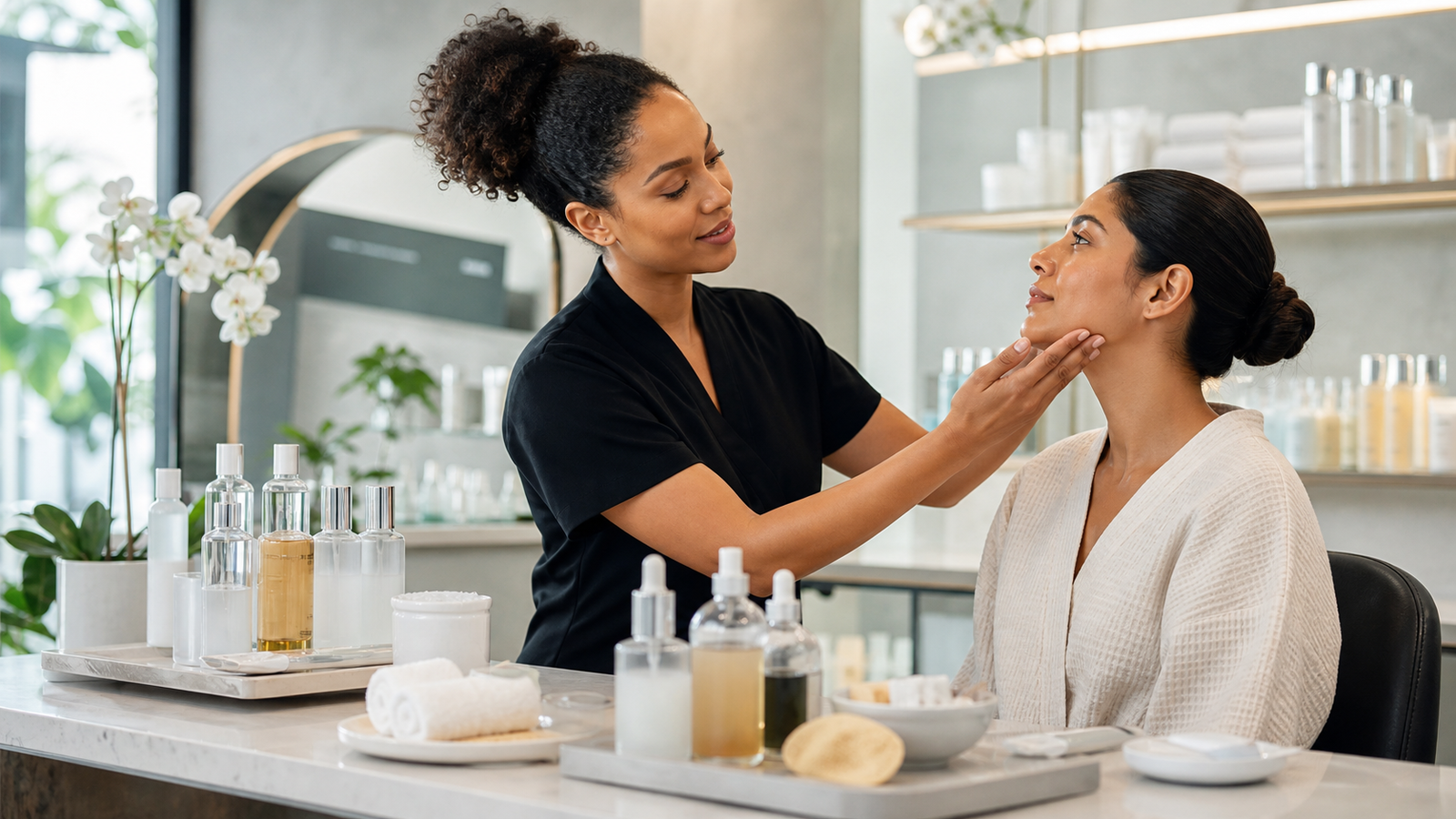
The phrase facial bar sits between spa, clinic, retail counter, and modern beauty studio. People use it because they want a place that feels easier to enter than a medical office, more professional than a home routine, and faster than a full spa day. The reader need is practical. They want to know what happens, what it costs in time and attention, whether it is safe for sensitive skin, and how to avoid a treatment that creates redness instead of glow.
For SKINEGA, the useful answer is not that every facial bar is automatically premium. A facial bar becomes valuable when it respects skin biology. The appointment should begin with questions about sensitivity, exfoliation, active ingredients, sun exposure, allergies, pregnancy, recent procedures, and previous reactions. If the first promise is instant transformation before the skin is understood, the experience is already too thin.
The best facial bar also makes the home routine clearer. A strong treatment should not send a client away with ten urgent products and vague fear about aging. It should explain what to keep, what to pause, what to introduce slowly, and why the barrier matters more than a dramatic before-and-after image.
The best pre-facial checklist
The pre-facial stage decides much of the result. A reader planning a facial bar visit should arrive with clean information, not necessarily bare skin. Note the products used in the previous week, especially retinoids, exfoliating acids, benzoyl peroxide, peels, scrubs, fragranced treatments, and strong acne products. Mention sunburn, waxing, laser, injectables, dental work, allergies, cold sores, pregnancy, medication changes, and any skin condition under care.
A good esthetician will adjust pressure, heat, steam, extraction, massage, and active ingredients based on those details. This is especially important for face skincare because the face combines thin skin, sebaceous zones, sensitive zones, and areas that show irritation quickly. The right question is not simply what is your most popular facial. The better question is what would you avoid on my skin today.
If the facial bar sells SKINEGA-style discipline, it should be comfortable saying no to unnecessary steps. No scrub on irritated skin. No strong acid after recent retinoid use. No heavy fragrance when the client reports sensitivity. No hard extraction simply because pores are visible. Premium care is not maximal care. It is better selection.
Ultra-detailed infographic
Facial Bar Decision Map
Use this map to judge whether a facial bar appointment is skin-led, barrier-friendly, and worth repeating.
Before booking
Ask about contraindications, recent actives, extraction policy, fragrance level, and aftercare. A good studio welcomes these questions.
During treatment
Quality shows up as gentle cleansing, clear sequencing, conservative pressure, clean tools, and the ability to adapt the menu.
After the facial
Keep seventy-two hours simple: gentle cleanse, hydration, moisturiser, sunscreen, and no aggressive experiments.
Red flags
Avoid hard selling, unexplained devices, strong exfoliation on reactive skin, painful massage, or promises that sound medical.
| Skin or claim signal | Best fit | Watch point | At-home support |
|---|---|---|---|
| Hydration facial | Dull, tight, travel-tired skin | Low to moderate risk | Cleanser, hydrating layer, moisturiser, SPF |
| Extraction-focused facial | Congestion and visible clogged pores | Moderate risk if overdone | Gentle cleanse, no scrubs, barrier support |
| Massage-led facial | Puffiness and facial tension | Low risk when pressure is light | Hydrating slip, calm routine, sleep |
| Peel-style facial | Texture or uneven tone | Higher risk for sensitive skin | Strict SPF and active pause |
During the appointment: what quality feels like
A quality facial bar treatment feels calm, paced, and explainable. Cleansing should be gentle and complete without harsh rubbing. If analysis is offered, it should translate into plain language: dehydration, congestion, dryness, sensitivity, oiliness, dullness, or barrier stress. These are useful cosmetic observations when they are not exaggerated into diagnosis.
Product sequencing should follow a logic the client can understand. Cleanse, soften, hydrate, treat if appropriate, support the barrier, and protect the skin if leaving in daylight. Massage can be included, but it should not be forceful. Extractions should be conservative and optional. Devices should be explained before use, and the client should know why a step is being chosen.
The facial bar that wins long-term trust is the one that makes the client feel safer after asking questions. The client should be able to say that their skin is sensitive, that they dislike heavy fragrance, or that they are using a retinoid without being pushed into a generic menu. That is the difference between a treatment and a performance.
Aftercare: the 72-hour glow window
The first seventy-two hours after a facial are not the time to prove how much the skin can tolerate. This window is for calm. Use a gentle cleanser, a hydrating serum or simple moisturiser, and sunscreen during the day. The American Academy of Dermatology Association advises gentle face washing habits and highlights sunscreen as an essential part of skin care, which fits perfectly with facial aftercare.
Pause scrubs, strong acids, aggressive retinoid use, and experiments unless the esthetician has specifically planned otherwise. Avoid sauna, hard workouts, heavy sun exposure, and long hot showers immediately after a treatment if the skin feels warm or reactive. The goal is to let the result settle rather than chasing an even stronger glow.
A facial bar should also give a realistic expectation. Some skin looks instantly brighter because it is hydrated, cleaned, and relaxed. Some skin may purge visually after extraction or feel tender if it was congested. Redness that is intense, painful, spreading, or accompanied by swelling is not a normal luxury glow. That is a reason to contact the provider or a qualified clinician.
How SKINEGA thinking changes the routine
SKINEGA has always leaned toward fewer unnecessary ingredients, more purpose, and less marketing theatre. In a facial bar context, that means every step should earn its place. A serum should hydrate, cushion, or support. A moisturiser should reduce water loss and comfort the barrier. A mask should fit the skin state. A recommendation should connect to what the person will actually do at home.
This matters for readers as much as providers. A useful guide should answer a decision clearly. The decision here is not only where to book a facial. It is how to choose a treatment without damaging the skin, what to ask before booking, and what to do after the appointment.
For business searches, this also gives the page a stronger reason to exist. A facial bar article should not simply repeat facial bar, skincare, and glow in different orders. It should help the reader compare providers, reduce risk, and understand the home routine that protects the result. That is what makes the content useful after the click.
Readers comparing local experiences can also explore partner-led skincare contexts such as Loft Thai Spa and SKINEGA skincare, then return to core articles like Skin Science: Why Less Is More. A healthy internal link structure should help the reader move from place to principle, not trap them in sales copy.
FAQ: facial bar skincare
What is a facial bar?
A facial bar is a skincare studio format focused on accessible facial treatments, often with shorter menus and clearer routines than a traditional spa. Quality depends on consultation, hygiene, product choice, and aftercare.
Is a facial bar good for sensitive skin?
It can be, if the provider adapts the treatment, avoids harsh exfoliation, limits fragrance, and respects recent product use. Sensitive skin should always be disclosed before treatment.
What should I do after a facial bar treatment?
Keep the routine simple for about seventy-two hours: gentle cleanser, hydration, moisturiser, and sunscreen. Avoid scrubs, strong acids, heavy heat, and new actives unless advised.
How often should I visit a facial bar?
Many people do well with occasional visits before events or monthly maintenance, but frequency should depend on skin tolerance, goals, budget, and the type of treatment chosen.