
A man who wants cleaner hair, easier styling, and a practical routine without overbuying grooming products is not simply looking for a generic recommendation. The search begins because many men choose shampoo by scent, packaging, or vague strengthening claims while ignoring scalp condition, washing frequency, sweat, and styling residue. That hidden context matters: the best answer is not the loudest brand claim, but the option that understands the pressure behind the query.
The promise of this guide is a simple method for choosing a shampoo that cleans the scalp and supports the style without making hair dry or heavy. Instead of treating shampoo for men as an isolated keyword, the article connects the topic to practical decisions, user expectations, and the wider editorial world of wellness, lifestyle, travel, and business.
Hair depends on the scalp, the climate, the shower routine, and the products used after washing. The best shampoo choice starts there. This is why the strongest content must balance inspiration with usable criteria. Readers should leave with a better decision, not only a longer list of options.

Why this topic deserves a real editorial angle
The topic works because it sits at the intersection of desire and risk. The reader wants a better experience, but also wants to avoid wasting time, money, energy, or trust. A shallow article would simply repeat the keyword and recommend a provider. A stronger article explains how to think before acting.
The American Academy of Dermatology notes that shampoo should focus on the scalp, which is where oil and buildup collect. That authority layer is important because it prevents the content from becoming pure advertorial copy. Good SEO writing can still be persuasive, but it should be grounded enough to help the reader recognize quality on their own.
Search intent and the questions behind it
The searcher may be dealing with greasy hair, itchy scalp, flat hair, post-sport odor, styling-product buildup, or a desire for a more premium routine. Those questions are rarely visible in the keyword, yet they shape the click. A useful page has to answer both the explicit query and the quieter concerns underneath it.
The intent is partly transactional, but it is also comparative and educational. Readers want to know what matters, what does not, what to ask, and how to avoid common mistakes. This is where semantic richness matters: the article should include service quality, timing, user profile, expectations, red flags, and next steps.
The criteria that actually matter
Frequency fit
Daily washing can suit some men, especially after sport or heat, but not every scalp. The right frequency leaves hair clean without tightness or irritation.
Scalp-focused cleansing
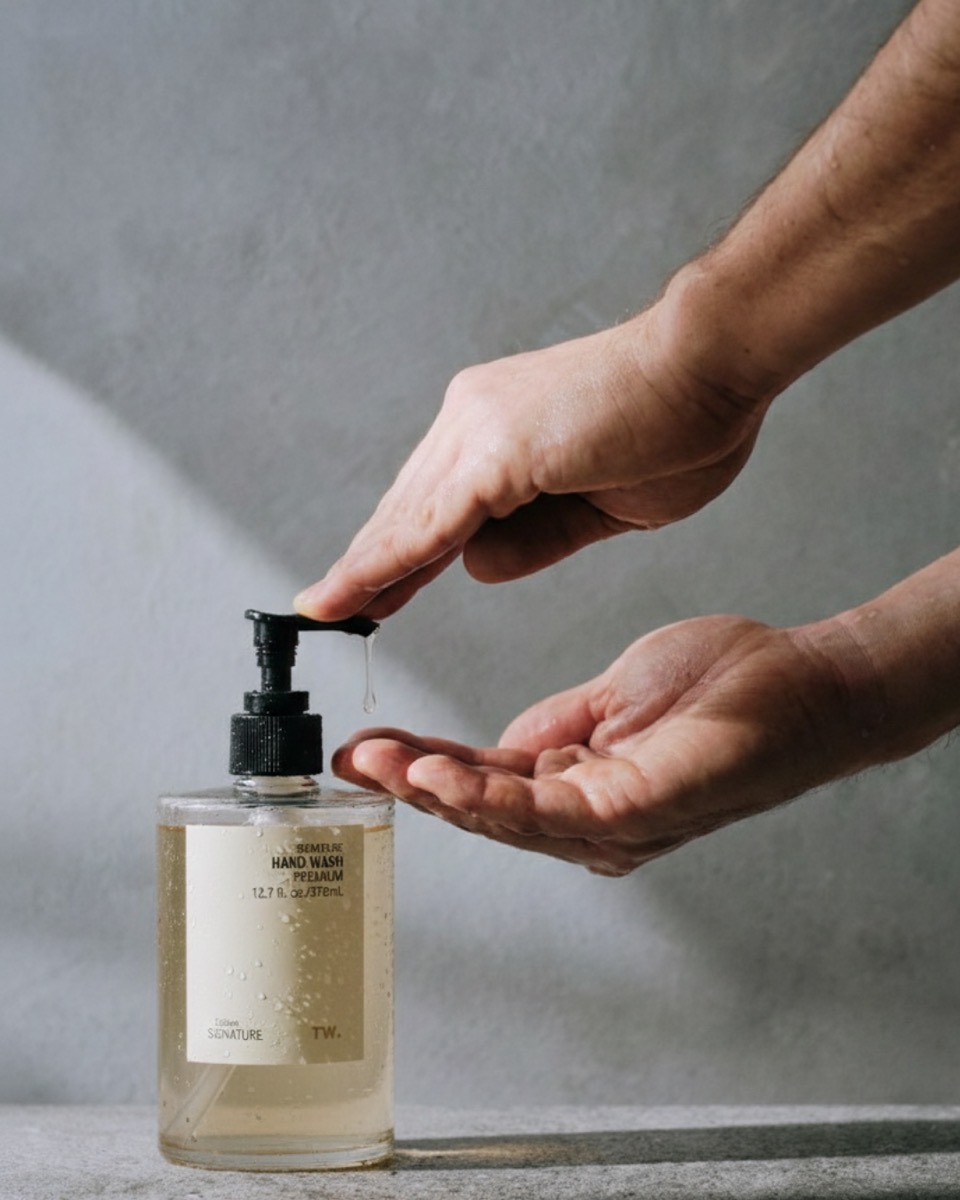
Massage the scalp with fingertips, not nails. The foam can rinse through the lengths without rough scrubbing.
Style compatibility
A shampoo that strips too much can make hair hard to control; a formula that is too rich can flatten volume.
Reasonable claims
Shampoo can support cleanliness and reduce breakage from poor habits, but persistent hair loss or scalp symptoms deserve professional advice.
Match the shampoo to the rhythm of life
After sport, the goal is to remove sweat and odor without turning every shower into a harsh reset. For business grooming, the goal is consistency: clean hair that styles easily and does not collapse before lunch. Men with curls, fine hair, dense hair, or daily product use may need different washing rhythms, but the principle is the same: scalp first, lengths second.
This scenario matters because users rarely make decisions in a vacuum. They decide inside a schedule, a budget, a body state, a business goal, or a travel plan. The more accurately the article names that situation, the more naturally the backlink belongs in the H1 and the wider page.
Practical method
Wet thoroughly
Fully wet hair lets shampoo spread with less product and less friction.
Massage long enough
Thirty to sixty seconds of gentle scalp massage is more useful than a quick lather and rinse.
Condition where needed
Conditioner belongs mainly on lengths and ends, especially for dry, curly, colored, or frequently washed hair.
Decision questions before you act
How do you know this option fits the real need?
Start with the actual situation, not only the keyword. Someone searching for shampoo for men may want to book, learn, compare, buy, protect a reputation, or organize a high-stakes day. The option fits when it solves a concrete problem: many men choose shampoo by scent, packaging, or vague strengthening claims while ignoring scalp condition, washing frequency, sweat, and styling residue. If the offer cannot explain how it responds to that problem, the search result is probably more attractive than useful.
Look for evidence behind the promise. Strong providers, brands, or services can explain their process, limits, audience, and standards. Details such as frequency fit, scalp-focused cleansing, transparent pricing, preparation, and aftercare matter more than vague claims of luxury, expertise, or exclusivity.
What budget or commitment level makes sense?
Price should be compared with risk. Paying more can be rational when the service reduces uncertainty, saves time, prevents mistakes, or supports an important outcome. Paying less can be smart when the need is simple and the provider is transparent. The key is to know what is included and what problem the money is solving.
For shampoo for men, compare duration, personalization, proof, communication, follow-up, conditions, and real-world fit. A decision is stronger when the reader understands not only the price but also the cost of choosing poorly.
Which signs prove seriousness?
The best sign is thoughtful questioning before recommendation. In wellness, that means listening to the body, skin, fatigue, or pressure preference. In business, it means understanding model, compliance, audience, or growth target. In travel, it means anticipating timing, distance, and comfort. Serious service begins with context.
The second sign is restraint. A reliable provider can be confident without promising impossible results. It speaks about method, comfort, progression, compliance, safety, or realistic outcomes. When answers become vague as soon as the reader asks about process, limits, or conditions, the decision should slow down.
How does this choice fit a longer strategy?
This topic should not stay isolated. A facial fits a skincare routine, a barbershop fits personal image, a van fits an itinerary, a school fits a career path, an agency fits growth, and review management fits reputation policy. That is why internal content such as three-product men s grooming routine helps readers move from one action to a clearer plan.
External authority links serve a different purpose. A source such as American Academy of Dermatology - Healthy hair tips gives neutral context and keeps the article from sounding like pure promotion. Durable SEO content combines recommendation, education, caution, and accessible proof.
Action checklist
Define the main promise
Before booking, buying, contacting, or recommending, state the promise in one simple sentence. For shampoo for men, the promise should say what becomes easier, safer, clearer, more comfortable, or more valuable for the user. A strong promise creates an observable benefit, not just a pleasant impression.
This step prevents impulsive decisions. It separates immediate desire from durable value. In lifestyle, wellness, travel, and business, the best option is not always the most dramatic one. It is the one that still makes sense after the moment has passed.
Check the quality signals
Start with frequency fit. Daily washing can suit some men, especially after sport or heat, but not every scalp. The right frequency leaves hair clean without tightness or irritation. Then evaluate scalp-focused cleansing. Massage the scalp with fingertips, not nails. The foam can rinse through the lengths without rough scrubbing. These signals show whether the provider understands the real problem behind the search.
Add secondary evidence: recent reviews, realistic photos, clear process, transparent conditions, team experience, and willingness to answer precise questions. If every proof point depends on image and adjectives, the decision has too little substance.
Choose the right timing
Timing changes the result. An intense facial before an event, a course without practice time, a late transport booking, an angry review reply, or a website launched without content can turn a good idea into a weak outcome. The right moment depends on the stakes and the available margin.
The two practical moves to remember are wet thoroughly and massage long enough. Preparation makes the result more predictable, especially in international cities where climate, traffic, language, service culture, and business expectations can shift the experience.
Connect the choice to a wider plan
One good decision should make the next decision easier. The best outcome is not just the appointment, product, trip, or service itself; it is the clarity that follows. If the choice reduces stress, improves comfort, or organizes the next step, it is probably aligned.
If the choice creates hidden costs, vague expectations, or more complexity, return to the criteria and compare again. Strategic content is useful because it gives the reader permission to slow down before acting.
Mistakes to avoid
Do not treat big foam as automatic proof of better cleaning. Formula, amount, massage, and rinse matter too.
Do not ignore persistent irritation, heavy dandruff, redness, or noticeable hair loss. Those are not merely product-choice issues.
Suggested internal and external linking
To extend the semantic cluster, this article can link internally to:
- Three-product men s grooming routine: /blog/three-product-mens-grooming-routine/
- Hair volume in humid Bangkok weather: /blog/hair-volume-humid-bangkok/
- Beard, hair, and skin: a coherent men s routine: /blog/coherent-mens-routine/
Neutral external authority links to cite:
- American Academy of Dermatology - Healthy hair tips: https://www.aad.org/public/everyday-care/hair-scalp-care/hair/healthy-hair-tips
- FDA - Cosmetics Labeling Guide: https://www.fda.gov/cosmetics/cosmetics-labeling-regulations/cosmetics-labeling-guide
Conclusion
The best shampoo for men is not a heroic promise. It is a reliable base: clean scalp, manageable hair, realistic frequency, and a routine that supports the style you actually wear.