
In this guide: hydrafacial for oily skin. Related care themes: hydrafacial oily skin benefits, hydrafacial for congested skin, premium facial for oily skin, hydrafacial for oily acne prone skin, pore cleansing facial, sensitive oily skin routine, best facial bangkok.
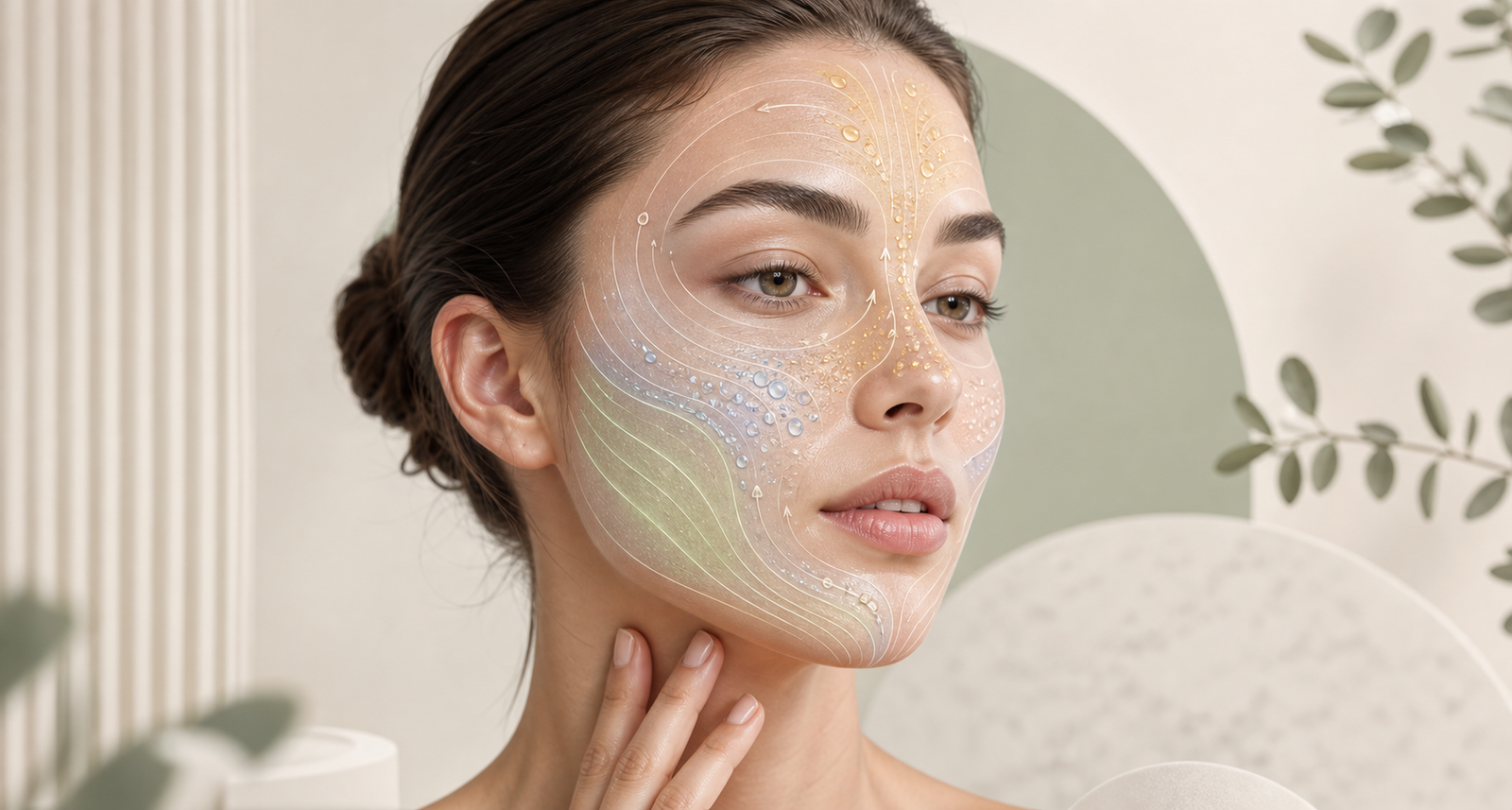
Why oily skin still needs finesse, not punishment
Oily skin is often treated as if the only serious objective is to remove as much shine as possible. That mindset creates a lot of expensive mistakes. The face gets stripped, pores are attacked, extractions are pushed too far, and every sign of surface oil is treated like proof that the skin has not been cleaned properly. In reality, oily skin often behaves better when the routine gets more intelligent rather than more severe. This is exactly why interest in hydrafacial for oily skin keeps rising. People want a professional treatment that feels clarifying without leaving the face inflamed, tight, or embarrassed by its own barrier.
The premium appeal is easy to understand. Oily skin can still look dull, congested, tired, and uneven in texture even when the face is producing visible sebum. A treatment that combines cleansing, controlled exfoliation, extraction logic, and hydration sounds more useful than a facial that swings to either extreme. Some oily skin wants help with pore visibility and stubborn buildup. Some wants event-week polish. Some wants a cleaner canvas for makeup or simply a calmer relationship with the mirror.
Still, the phrase hydrafacial for oily skin gets oversold very quickly. It is sometimes described as if one session will permanently shrink pores, switch off oil, erase congestion, and replace home care. That is not credible. The useful question is narrower and better: how should a hydrafacial be adapted for oily skin so the treatment improves clarity without creating rebound shine, sensitivity, or barrier stress? That is the standard worth using.
What people usually mean by hydrafacial, and where the value really comes from
In most beauty conversations, hydrafacial refers to a multi-step facial built around cleansing, a fluid-assisted exfoliation or suction step, some degree of extraction, and an infusion or finishing phase meant to leave the skin more comfortable than a harsher manual extraction session might. The device gets most of the attention because it is visible, but the result depends far more on the treatment design. The most expensive machine in the room cannot compensate for poor judgement.
Oily skin benefits from this framework because congestion is rarely a one-dimensional problem. Excess sebum, dead-skin buildup, climate, sunscreen residue, makeup, stress, and aggressive cleansing can all shape what the face looks like. A good hydrafacial-style treatment acknowledges that oily skin may still be dehydrated and that a matte finish is not the same thing as a healthy finish. That logic overlaps with the diagnosis-first approach in Best Facial for Your Skin, where the right treatment is chosen according to what the skin is doing now, not only the label attached to it.
For SKINEGA, the value of a premium facial starts with restraint. The treatment should make the face look cleaner, calmer, and more refined. It should not leave the client with a hot, tender nose, an over-extracted chin, or the strange tightness that makes oily skin start producing more shine by evening. If the post-treatment comfort is poor, the session was not premium, no matter how polished the room looked.
What oily skin actually needs before anyone touches a machine
Oily skin is not identical from person to person. Some faces are oily because of genetics and climate. Some are oilier because the barrier is repeatedly stripped and the routine has become reactive. Some are truly acne-prone. Some are mostly congested around the T-zone but normal elsewhere. American Academy of Dermatology guidance on oily skin is helpful here because it keeps returning to practical habits instead of dramatic promises: gentle cleansing, non-comedogenic choices, and avoiding the temptation to scrub the face into submission.
Pore visibility also needs honest framing. Pores are real anatomical structures, not dirt containers that disappear once extracted. AAD guidance on large facial pores is useful because it reminds readers that treatment can improve the look of pores without turning them into an empty blank surface. For oily skin, the better outcome is usually less obvious congestion, smoother reflection of light, and a cleaner texture around the nose, central cheeks, and forehead.
This is also where the barrier conversation matters. Readers who connected with Skin Barrier Repair Routine already know that oily skin can still be uncomfortable and dehydrated. A hydrafacial should account for that reality. The skin may need lighter textures, but it still needs tolerance. A face that feels squeaky after treatment is not more balanced. It is usually more vulnerable.
The premium sequence: cleanse, loosen, extract, infuse, stop
A credible hydrafacial for oily skin usually follows a clear sequence. First, remove the day properly so the therapist is not mistaking residue for congestion. Second, loosen buildup with an exfoliating or softening step that is strong enough to be useful but not reckless. Third, extract strategically rather than everywhere. Fourth, bring the skin back with hydration and a finish that supports comfort. Fifth, stop while the skin still looks cooperative. That last part is where many treatments fail.
The treatment does not need to prove its seriousness by doing the maximum. Oily skin often looks best when the therapist works hardest only where the need is obvious. The forehead may need one kind of pass, the nose another, and the cheeks less than both. This is similar to the logic in Facial Lymphatic Drainage for Glow Skin, where direction and pressure matter more than force. Premium technique is usually differentiated by selectivity, not excess.
Hydration after extraction is not decorative. It is structural. The goal is not to make oily skin feel heavy. The goal is to keep the face from reading the treatment as damage. Lightweight humectants, comfortable finishing layers, and sensible sunscreen planning matter more than trend language. A facial that decongests but ruins comfort for the next two days has misunderstood the assignment.
Oily-skin framework
Hydrafacial for Oily Skin Checklist
When the goal is cleaner-looking pores and calmer shine, these decisions matter more than treatment drama.
Diagnose first
Check whether the skin is truly congested, simply oily, or oily because it has been over-stripped and is behaving defensively.
Extract selectively
Treat the nose, chin, and central face according to actual buildup instead of forcing the same intensity everywhere.
Hydrate lightly
Oily skin still needs a comfortable finish so the face does not respond to treatment by becoming tighter and shinier later.
Respect the week
Event timing, travel, retinoids, and climate stress should change the strength of the treatment.
| What you notice | Best move now | Watch point | When to restart stronger steps |
|---|---|---|---|
| Face is shiny but feels tight | Use a gentler cleanse and lighter hydration before stronger extraction | Repeating stripping cleansers | After comfort is stable for several days |
| Nose and chin look congested | Use targeted extraction on the obvious buildup zones | Treating the whole face equally hard | When congestion is visibly reduced without soreness |
| Oily skin is also reactive | Reduce passes, acids, and pressure | Chasing a dramatic same-day result | After redness and stinging have settled |
| Bangkok event this week | Choose a diagnosis-led facial with calm finishing layers | Strong peel plus aggressive extraction | After the event window passes |
What a good hydrafacial can improve, and what it cannot promise
The realistic upside is meaningful. A good session may reduce the look of clogged pores, soften rough texture, improve how the skin reflects light, and make the face feel fresher before an event, busy week, or climate-stressed period. Oily skin often photographs better when the central face looks cleaner and the finish is less chaotic. Makeup also tends to sit more evenly when congestion and flaky buildup have been handled thoughtfully.
What the treatment cannot promise is permanent pore shrinkage, cure-level acne control, or a lifetime shutdown of oil production. If a provider uses those claims, the marketing has outrun the treatment. Oily skin still responds to hormones, weather, sleep, products, and daily habits. A hydrafacial may help the skin look more balanced for a time, but it is not a loophole around skin biology.
This matters because disappointment often comes from bad expectation-setting rather than from the treatment itself. A premium facial should be sold as supportive, cosmetic, and intelligently temporary. That honesty is part of the luxury experience. Clients do not need fantasy. They need a practitioner who knows the difference between improving the surface and pretending to rewrite the skin forever.
Case study: oily event-week skin in Bangkok
Imagine a client in Bangkok in the middle of a humid work week. The face feels shiny by noon, clogged around the nose, slightly rough at the chin, and a little dehydrated after travel, sunscreen reapplication, and air-conditioned interiors. This client does not want an aggressive peel two days before an event. They want cleaner-looking pores, a more polished texture, and skin that still behaves under makeup or goes makeup-light without looking overworked.
That is where a hydrafacial can be a strong fit. The best version of the treatment would focus on measured decongestion, not maximal extraction. It would leave the barrier calm enough for the rest of the week. This is also one of the rare contexts where a partner reference such as best facial bangkok is editorially justified: the article is directly talking about premium facial decision-making in Bangkok, not dropping a city name for decoration.
The success metric is subtle but concrete. By the time the client leaves, the face should look clearer, smoother, and less busy around the T-zone, while still feeling comfortable. Bangkok climate adds enough stress on its own. A facial that leaves oily skin raw in that environment is a strategic error. Readers planning that sort of treatment window may also want the broader climate logic in Facial Bangkok Skin Climate Routine.
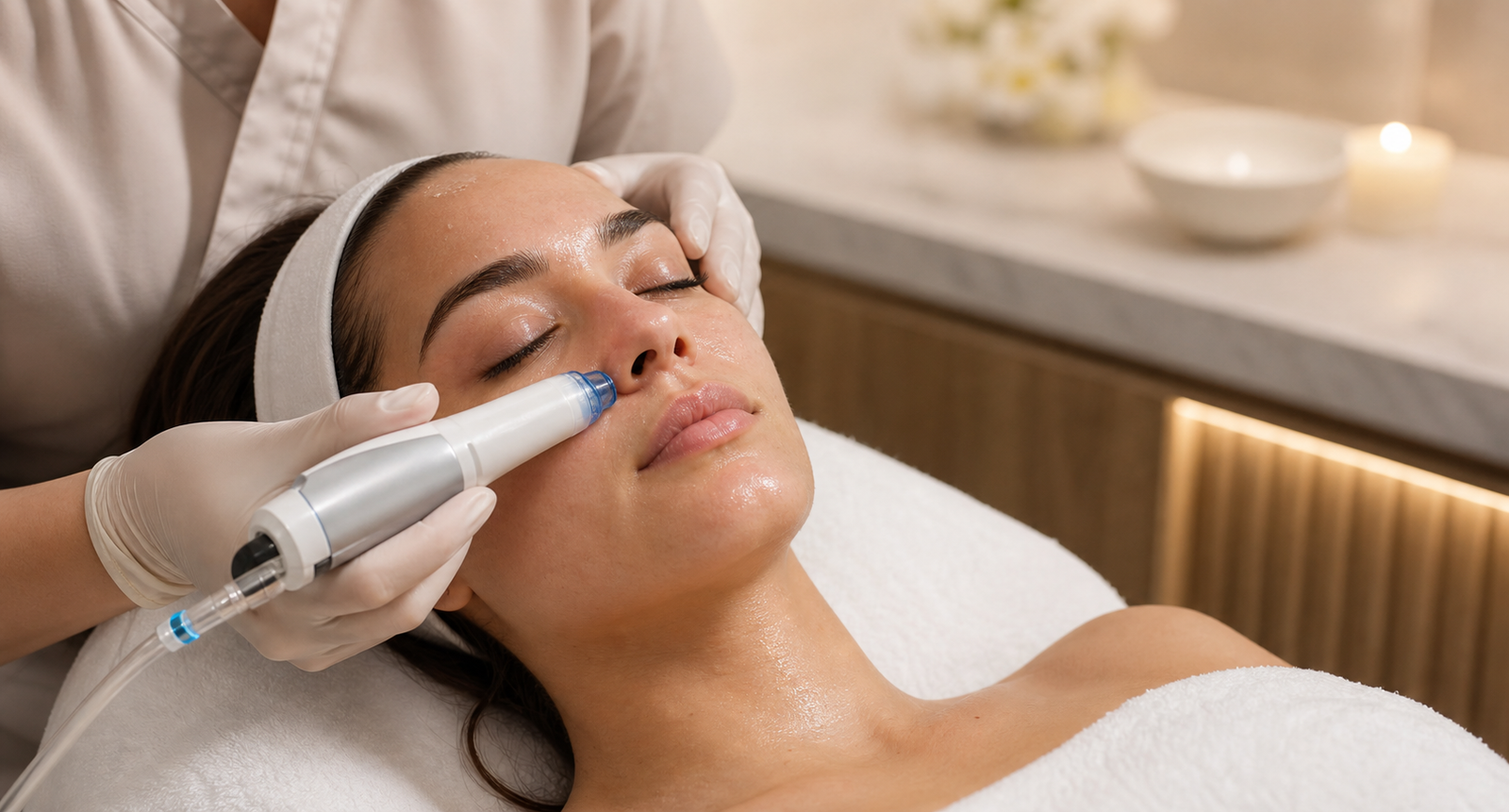
How sensitive oily skin changes the plan
Sensitive oily skin is where bad hydrafacials reveal themselves fastest. The skin may already be shiny, but it flushes easily, stings after cleansing, or reacts unpredictably to acids and fragrance. In that situation, the therapist has to scale the treatment down rather than trying to force a classic oily-skin protocol onto a face with reduced tolerance.
That usually means fewer passes, less insistence on every visible pore, lighter finishing products, and a more conservative decision about acids or intense extraction. The premium signal here is willingness to underdo the treatment slightly if that produces a better result forty-eight hours later. A session that looks dramatic in the mirror for twenty minutes but becomes irritated by evening is not the better session.
This is why good consultation matters so much. If the skin is oily and reactive because of retinoids, over-cleansing, or travel stress, the real answer may be part hydrafacial, part barrier reset. The logic aligns with Skin Science: Why Less Is More: the face usually rewards routines and treatments that remove confusion, not those that add more noise.

What to do between hydrafacial appointments
The best oily-skin maintenance between professional treatments is surprisingly unglamorous. Cleanse gently enough that the skin feels clean but not squeaky. AAD guidance for acne-prone and oily skin keeps returning to that principle because harsh cleansing creates the illusion of control without building durable comfort. If you are scrubbing, double-cleansing aggressively when unnecessary, or chasing that ultra-dry finish, the home routine is already sabotaging the next facial.
Use a lightweight moisturizer even if the skin is shiny. AAD guidance on acne and moisturizer is useful because many people with oily skin still under-moisturize, assuming any added comfort will worsen congestion. Usually the better move is texture selection, not total avoidance. A fluid lotion, gel-cream, or modest emulsion that the skin actually tolerates can help stop the cycle of stripping and rebound shine.
Sunscreen matters every day, not only after treatment. Oily skin often performs better with a finish that feels breathable and repeatable rather than one heroic sunscreen that gets abandoned halfway through the week. Readers comparing glow-focused facial planning can also browse Best Facial Bangkok Glow Skincare Guide for more event-oriented treatment framing.
The common mistakes that make oily skin worse after a facial
The first mistake is over-extraction. It makes the client feel as if something intense and valuable happened, but it can leave the face inflamed and shiny in the wrong way. The second is over-exfoliation. Oily skin often has enough tolerance to hide the error briefly, then reveal it later as heat, roughness, or a rebound oil pattern that feels impossible to read.
The third mistake is trying to make oily skin matte at all costs. A premium finish is usually balanced, not powder-dry. The face should still look alive. The fourth mistake is ignoring aftercare. If the client walks out and immediately uses scrubs, strong acids, aggressive retinoids, or heavy makeup prep without adjustment, the benefit window narrows quickly.
The fifth mistake is choosing a provider by machine name alone. The treatment is only as good as the person using it. Diagnosis, restraint, and aftercare advice are what separate a premium oily-skin facial from an expensive over-cleansing session.
When to slow down, skip the facial, or ask a dermatologist
A hydrafacial is cosmetic and wellness-oriented. It is not a substitute for medical care when the skin is inflamed, painful, suddenly flaring, infected, or consistently acne-prone beyond what a facial can manage. If the face has deep inflamed breakouts, crusting, severe irritation, sudden swelling, or a one-sided reaction, this is not the day to chase extraction. It is the day to get appropriate medical guidance.
The same caution applies after aggressive procedures, significant sun exposure, or a week of self-inflicted overuse of acids and retinoids. Sometimes the right premium decision is to do less, hydrate more, and reschedule a stronger treatment later. Good providers should be able to say that plainly.
Oily skin often looks its best when the plan is disciplined: good home care, occasional diagnosis-led treatment, and enough honesty to avoid chasing the impossible. If the treatment respects the skin barrier while visibly improving congestion and shine, it has done its job.
Conclusion: clearer-looking pores should not come at the cost of comfort
A hydrafacial for oily skin can be genuinely useful because it speaks to a real need: cleaner-looking pores, more polished texture, less visual congestion, and a fresher finish before work, travel, or an event. But the treatment earns its reputation only when it stays balanced.
For SKINEGA, the real luxury is not a dramatic machine pass. It is walking out with oily skin that looks more refined and still feels calm. When the therapist reads the face properly, limits extraction intelligently, and supports the barrier afterwards, the result can look expensive in the best possible way.
FAQ: hydrafacial for oily skin
Is a hydrafacial good for oily skin?
It can be an excellent option for oily skin when the treatment focuses on buildup, visible congestion, and comfortable hydration instead of trying to strip the face completely matte. The benefit is usually a cleaner, smoother, fresher-looking surface rather than a permanent change in pore size or oil production.
Can a hydrafacial shrink pores permanently?
No. Pores do not disappear permanently after a facial. A hydrafacial may improve how visible they look by reducing congestion and smoothing the surrounding surface, but it should not be sold as a permanent pore-erasing treatment.
Is a hydrafacial safe for oily but sensitive skin?
It can be, but only when the provider scales the treatment correctly. Sensitive oily skin often needs fewer passes, lighter extraction, and stronger attention to post-treatment comfort. Overdoing the session can make oily skin feel both irritated and shinier later.
How often should oily skin get a hydrafacial?
That depends on congestion, budget, event timing, and skin tolerance. Many people do well with occasional maintenance sessions rather than chasing very frequent appointments. The home routine still matters more than the machine name.
What should I avoid after a hydrafacial for oily skin?
Avoid piling on scrubs, stronger acids, or irritating active products right away. Keep the routine simple with gentle cleansing, light hydration, and daily sunscreen so the benefit of the treatment is not undone by over-correction.
Editorial sources and further reading
- American Academy of Dermatology - How to control oily skin
- American Academy of Dermatology - Skin care tips for acne-prone skin
- American Academy of Dermatology - Moisturizer: Why you may need it if you have acne
- American Academy of Dermatology - What can treat large facial pores?
- American Academy of Dermatology - Sunscreen FAQs
- DermNet - Seborrhoea and oily skin