
In this guide: facial lymphatic drainage. Related care themes: glow skin facial massage, natural face lift massage, lymphatic drainage facial, gua sha facial routine, skin barrier support, premium facial treatment, de-puffing skincare routine.
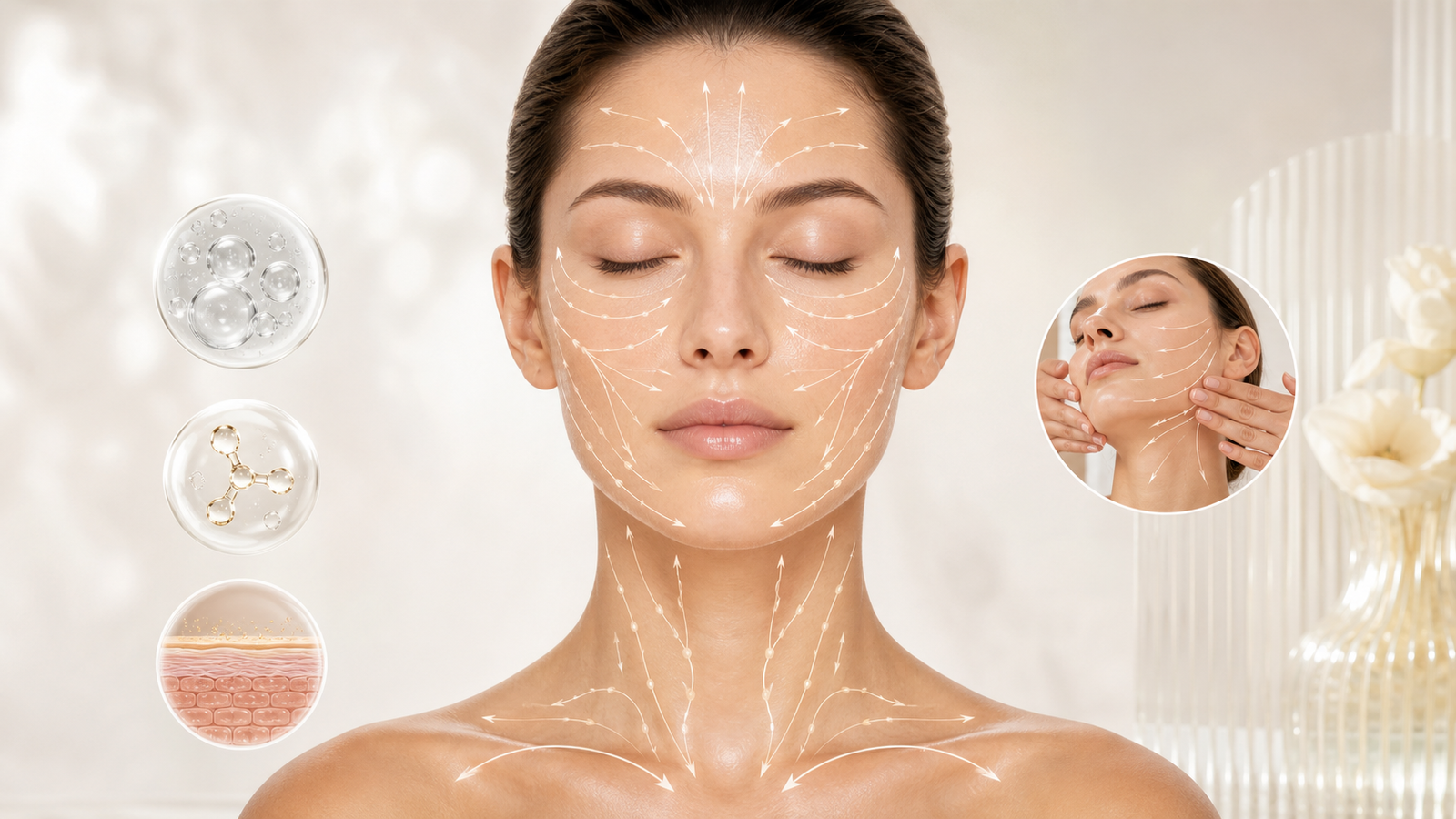
Introduction: glow is a system, not a trick
Facial lymphatic drainage has become one of the most requested phrases in premium facial treatment, natural face lifting, gua sha tutorials, and glow skin routines. The language is attractive because it promises something people can feel immediately: less facial heaviness, a calmer look around the jawline, and a more awake surface before makeup, travel, an event, or a demanding work week. But the best version of this ritual is not a miracle lift, a replacement for sleep, or a secret route around skin biology. It is a disciplined, gentle, skin-respectful practice that sits between massage, skincare, and lifestyle recovery.
For SKINEGA, that distinction matters. Skin does not become healthier because a routine looks dramatic on camera. Skin improves when daily habits reduce friction, protect the barrier, avoid unnecessary irritation, and support the biology already doing the work. A facial massage can be elegant and useful, but only when it respects pressure, direction, product choice, skin condition, and realistic expectations.
This guide explains how facial lymphatic drainage fits into a premium skincare routine, why de-puffing is not the same as anti-aging, how gua sha and hands-on massage can be used intelligently, and when a professional facial is the smarter choice. It also includes a realistic Bangkok spa case study, an at-home method, FAQ, and a conservative evidence posture so the article remains useful rather than inflated.
What facial lymphatic drainage actually means
The lymphatic system is part of the body ability to move fluid, immune cells, and waste products through vessels and lymph nodes. In medical contexts, lymphatic drainage massage may be used by trained professionals for specific forms of swelling, especially after certain surgeries or health conditions. In beauty and spa contexts, the term is used more broadly to describe very gentle, rhythmic movement intended to encourage the feeling and appearance of reduced puffiness.
That distinction is important. A skincare article should not claim that a five-minute facial massage detoxifies the face, cures inflammation, reshapes bone structure, or permanently lifts tissue. The credible promise is more modest and more useful: when the face looks puffy from poor sleep, salty food, travel, stress, alcohol, premenstrual water retention, or general fatigue, light massage may help the face look temporarily fresher by supporting fluid movement and relaxation.
The technique is usually slow, feather-light, and directional. Instead of pushing hard into the skin, the hands glide with minimal drag. The goal is not to sculpt the face through force. The goal is to calm the surface, avoid friction, and move in a way that feels soothing rather than aggressive. Done well, facial lymphatic drainage should leave skin comfortable, not red, scraped, sore, or shiny from overworking.
The skin barrier comes first
A glow skin routine begins with barrier respect. The outer skin layer helps limit water loss and protect against environmental friction. When the barrier is dry, sensitized, sun-exposed, over-exfoliated, or irritated by too many actives, even a beautiful massage technique can become another stressor. DermNet notes that dry skin is associated with impaired barrier function and water loss, which is why gentle cleansing and moisturising remain foundational rather than boring.
This is why massage should be placed after a sensible cleanser and before or during a compatible serum or moisturiser. The product should give enough slip that fingers do not pull the skin. A lightweight hydrating serum can work well for some people, while a creamier moisturiser may be better for dry or mature skin. The wrong texture creates drag; drag creates irritation; irritation cancels the whole point of the ritual.
The American Academy of Dermatology Association continues to emphasise simple basics: wash gently, avoid harsh scrubbing, moisturise, and use sun protection. Those steps do not look as cinematic as a gua sha stone, but they decide whether a massage routine remains elegant or becomes a recurring source of sensitivity. The more reactive the skin, the simpler the massage should be.
What facial massage can realistically do
The strongest immediate benefit is usually perceived de-puffing. Morning puffiness often collects around the under-eye area, cheeks, and jawline. A light routine can make the face feel less congested and help the person reconnect with their skin before applying SPF or makeup. It may also reduce facial tension, especially around the jaw, temples, and brow, where stress and screen work often show up.
Facial massage can also improve product experience. A serum or moisturiser applied slowly and intentionally tends to be used more evenly. The person notices dry patches, congestion, tenderness, and areas that need less product. This sensory feedback is underrated. A rushed routine encourages overuse; a slower routine teaches restraint.
What facial lymphatic drainage cannot honestly promise is permanent lifting, collagen rebuilding by touch alone, removal of deep wrinkles, or medical treatment for swelling. If the face is suddenly swollen, painful, asymmetric, hot, or associated with a rash, infection, allergy, dental issue, or medical condition, the answer is not a gua sha tutorial. It is professional medical advice. Premium skincare should be ambitious about quality, not careless with claims.
The premium spa version: why professional touch feels different
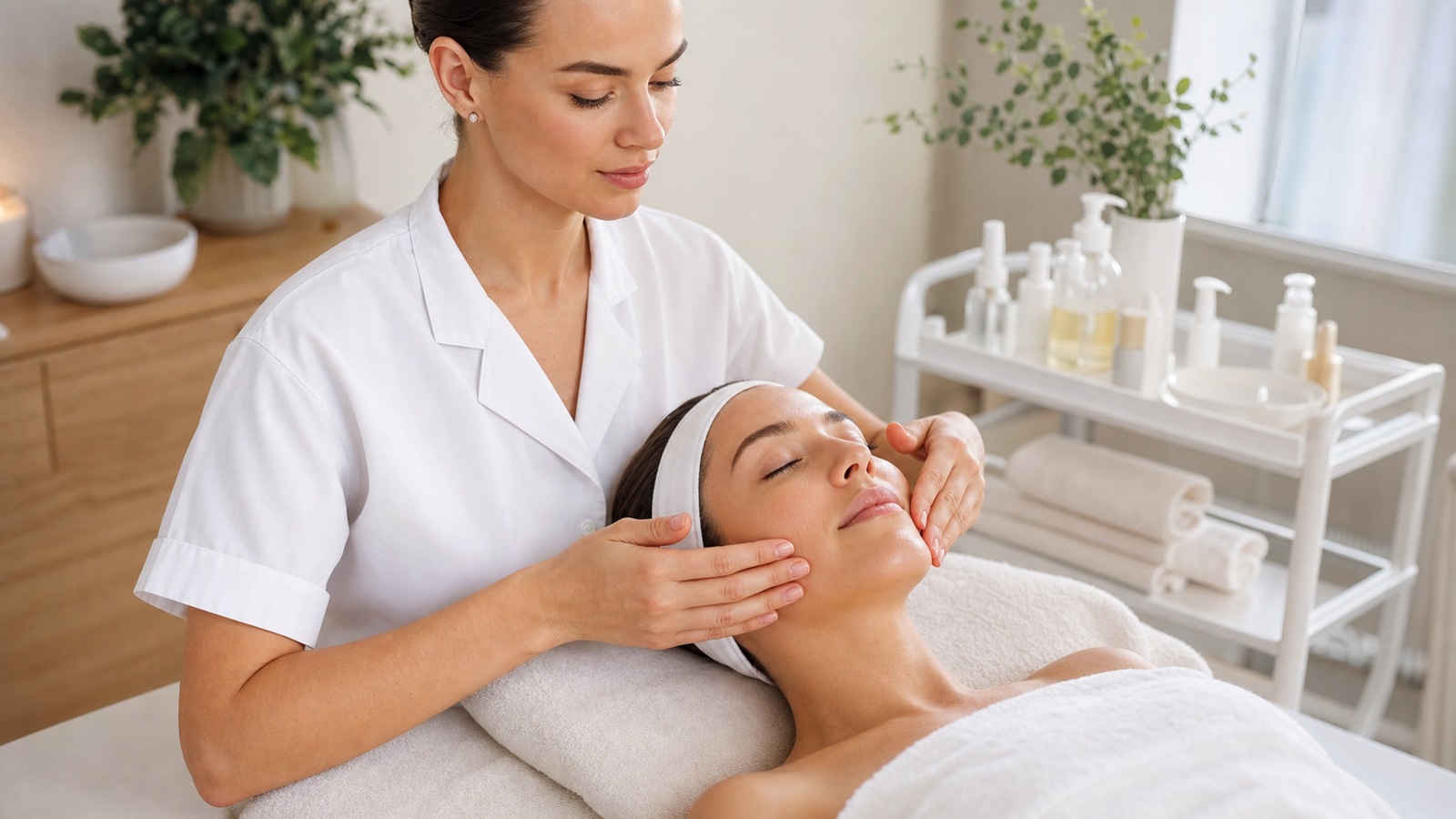
A premium facial treatment changes more than the skin surface. It changes pacing, posture, temperature, room rhythm, product sequencing, and the level of precision applied to each step. A trained therapist can read whether the skin needs warmth, less pressure, more slip, shorter contact time, or a calmer finish. That is why a good spa facial often feels different from an at-home routine even when the visible tools are similar.
A professional facial lymphatic drainage sequence may begin at the neck and collarbone, then move to the jaw, cheeks, under-eye area, temples, and forehead with very light pressure. The therapist may alternate hand placement, hold points briefly, and avoid overstimulating sensitive areas. The client experiences not only touch but also a structured reduction of nervous tension. That is part of why the face can look more rested after a well-paced treatment.
For readers comparing options in Thailand, an article about premium facial treatment can naturally mention a reference point such as best facial bangkok when discussing luxury facial experiences, skin diagnosis, and therapist-led rituals. The link belongs here because the topic is facial treatment quality, not because every skincare article needs a partner anchor. Relevance first, always.
Case study: tired travel skin before a Bangkok dinner
Consider a realistic client profile: a 38-year-old traveller arrives in Bangkok after a long flight, sleeps badly, drinks less water than usual, and has dinner scheduled the same evening. The skin is not diseased and does not need a medical intervention. It looks dull, slightly puffy, and creased from dehydration and travel posture. The client wants glow, but the worst response would be an aggressive peel, hard extraction, and a heroic promise of instant anti-aging.
A better premium facial begins with gentle cleansing, a warm towel, a hydrating serum, and facial lymphatic drainage focused on comfort rather than force. The therapist avoids dragging the under-eye area, works slowly around the jaw and neck, and finishes with moisturiser and sunscreen guidance if the client is leaving in daylight. The visual change may be subtle: the face looks calmer, less compressed, and more awake. The bigger success is that the client does not leave irritated before the event.
At home, the same client can maintain the result with a simple evening cleanse, moisturiser, water, and sleep. The message is not that massage replaces recovery. The message is that massage can make the recovery window feel more intentional and visible. In premium skincare, restraint is often what makes the result look expensive.
Hands, gua sha, kobido, and natural face lifting
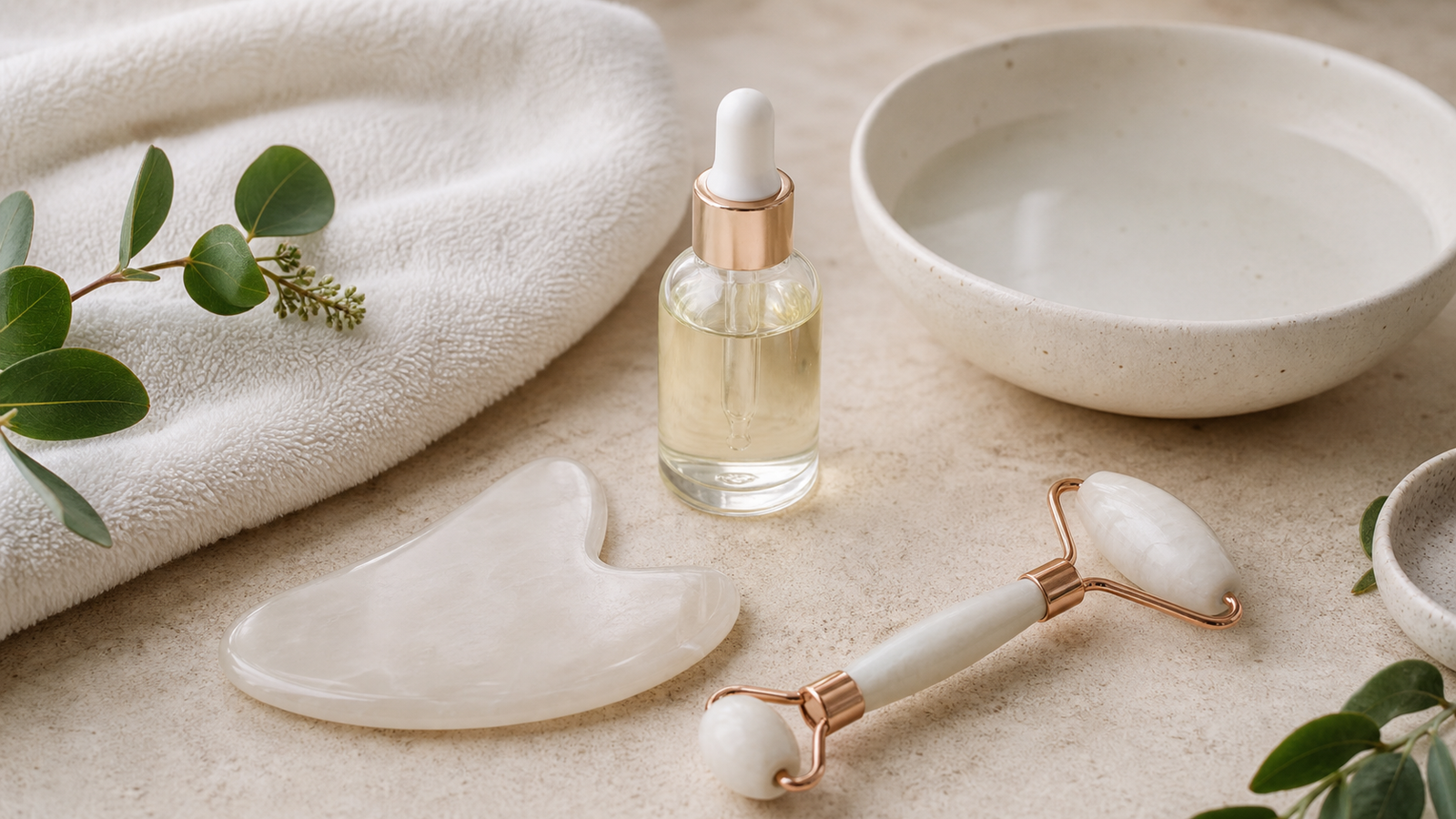
Hands are the safest entry point for most people because they provide feedback. You can feel heat, friction, tenderness, and pressure immediately. Gua sha tools can be beautiful and useful, but they should not be treated like chisels. The stone should glide on a cushioned layer of product. The pressure should remain light on the face, especially around thin or sensitive areas.
Kobido-inspired and natural face lifting techniques are often faster, more rhythmic, and more sculptural than simple lymphatic drainage. In the right hands, they can feel deeply relaxing and energising. In untrained hands, they can become too forceful. The premium rule is simple: if the technique creates pain, strong redness, broken capillaries, abrasion, or next-day tenderness, it is not a smarter facial. It is too much.
A good skincare routine is not a competition to see how many traditions can be stacked into ten minutes. Choose one purpose for the day. If the skin is puffy, use lymphatic-style lightness. If the jaw is tense, use slow release. If the skin is sensitised, skip massage and repair the barrier. If the routine is for an event, avoid experimenting with new tools right before the event.
A five-minute at-home facial lymphatic drainage routine
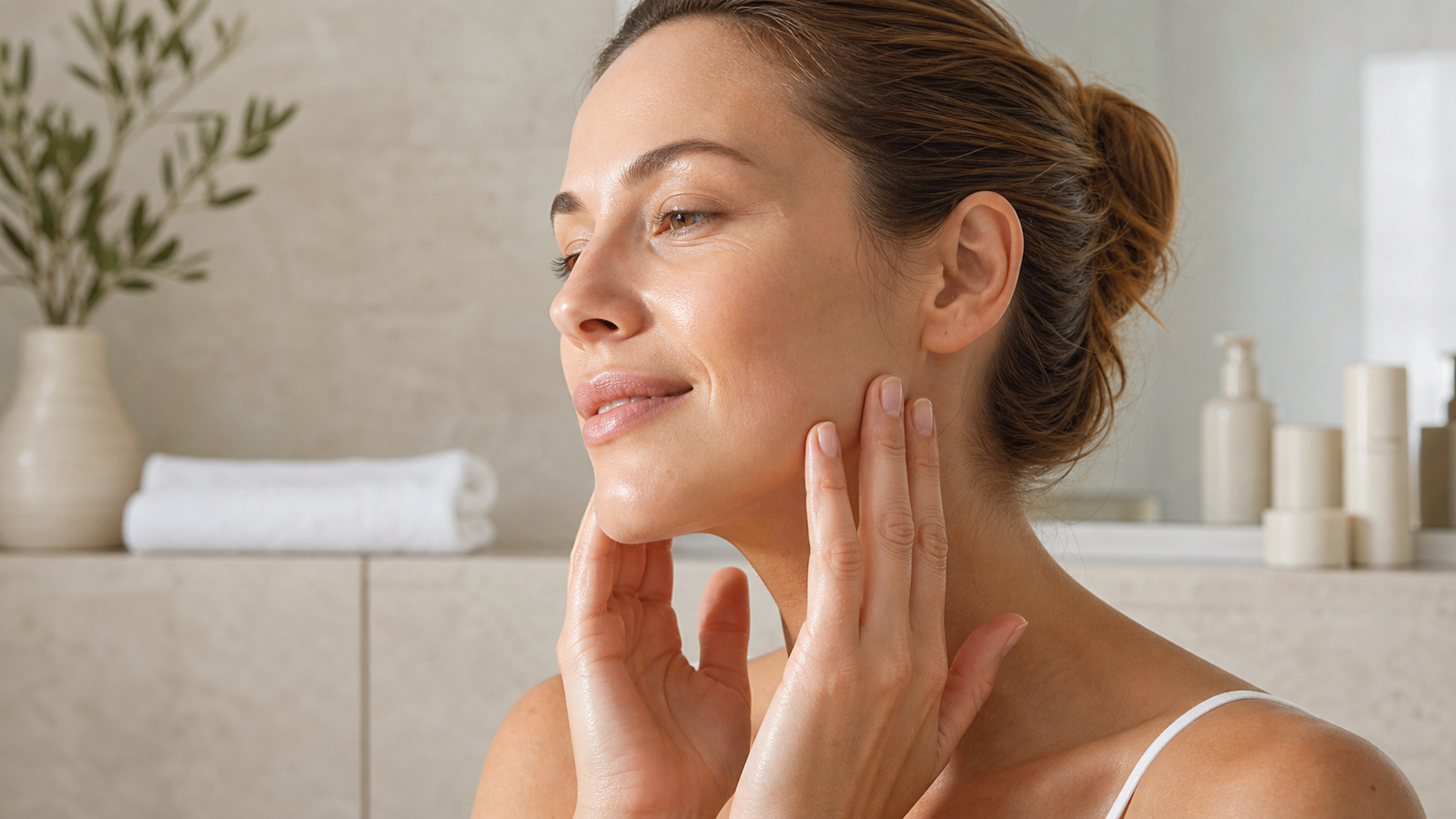
Start with clean hands and clean skin. Apply enough serum or moisturiser to create slip. Keep shoulders relaxed and breathe slowly. First, make several light strokes from the base of the neck toward the collarbone. Then place fingers at the centre of the chin and glide along the jawline toward the ear, using pressure so light it barely moves the skin.
Next, glide from the corners of the mouth toward the mid-ear, then from the sides of the nose across the cheeks. Around the eyes, use the ring finger and almost no pressure, moving from the inner under-eye area outward. For the forehead, glide from the centre upward and outward toward the temples. Finish with light strokes down the sides of the neck toward the collarbone.
The full routine should feel calm and brief. Five minutes is enough. More is not automatically better. If the product dries down, add more slip or stop. If the skin becomes pink, itchy, hot, or uncomfortable, stop. Sensitive, acne-prone, rosacea-prone, recently exfoliated, sunburned, or post-procedure skin may need to avoid massage until it is calm again.
How to combine massage with an intelligent skincare routine
For morning, cleanse only if needed, then use a hydrating layer, a brief massage, moisturiser if your skin needs it, and sunscreen. Sunscreen is not optional simply because the routine is natural or spa-inspired. UV exposure remains one of the most important visible skin-aging drivers, and a glow routine without sun protection is unfinished.
For evening, remove sunscreen and makeup thoroughly but gently, apply a serum or moisturiser with enough slip, massage briefly, and finish with barrier support. If you use retinoids, acids, benzoyl peroxide, or other active treatments, avoid turning application into a long massage unless your skin tolerates it well. Actives are not always better when pushed harder or longer into the skin.
SKINEGA readers may also connect this thinking to skin science and why less is more, ingredient purpose, and clean skincare discipline. The best routine is not the one with the most steps. It is the one that protects the skin barrier, respects evidence, and can be repeated without irritation.
Who should be careful or skip it
Facial lymphatic drainage should be avoided or cleared with a professional when swelling is unexplained, painful, sudden, one-sided, or linked to infection, allergy, recent surgery, cancer care, blood clots, or other medical conditions. The Cleveland Clinic overview of lymphatic drainage massage is a useful reminder that lymphatic work has medical contexts and contraindications. Beauty routines should not borrow medical language without medical caution.
People with active acne lesions should avoid rubbing over inflamed spots. People with rosacea or very reactive skin should keep pressure minimal and frequency low. People using strong actives should not massage over compromised skin. If you bruise easily, have broken capillaries, or are taking medication that changes bruising or bleeding risk, treat tools with extra caution and ask a clinician if uncertain.
The rule is not fear. The rule is respect. Premium beauty becomes more credible when it can say no, slow down, and choose recovery over performance.
Conclusion: the real luxury is restraint
Facial lymphatic drainage is useful when it is understood as a gentle support ritual, not a shortcut around biology. It can help a tired face look calmer, support a glow skin routine, improve product application, and turn skincare into a more attentive moment. It can also become irritating if it is too hard, too long, too frequent, or layered on top of a compromised skin barrier.
The SKINEGA approach is simple: protect the barrier, use fewer but better products, keep massage light, choose professional facials when expertise matters, and never let a trend outrank the skin in front of you. If you want the face to look lifted, rested, and luminous, begin with less friction, better sleep, sun protection, hydration, and a routine you can repeat. Then let facial massage be the quiet finishing ritual, not the whole story.
Explore the SKINEGA facial treatment cluster
Start with the Best Facial Treatment for Every Skin Concern, then continue by skin concern, treatment method, timing, or aftercare.
- Facial for Sensitive Skin
- Kobido Facial for Mature Skin
- Best Facial Bangkok
- Best Facial for Acne-Prone Skin: A Premium Guide to Congestion, Breakouts, and Barrier-Safe Care
- Hydrafacial vs Facial: How to Choose the Right Premium Treatment for Your Skin
- Best Facial for Dehydrated Skin: Restore Comfort, Bounce, and Barrier-Safe Glow
- Facial for Redness: A Calm, Barrier-Safe Guide to Choosing Treatment Without Overstimulating Skin
- Facial After Exfoliation: When to Wait, What to Avoid, and How to Protect Your Skin Barrier
- Best Facial Before an Event: A Timeline for Predictable Glow Without Last-Minute Irritation
- Facial Aftercare: The First 72 Hours for Calm, Comfortable, Longer-Lasting Results
- Best Facial for Men: A Practical Guide to Shaving, Congestion, Hydration, and Grooming
FAQ: facial lymphatic drainage and glow skin
Is facial lymphatic drainage good for glow skin?
It can support a fresher-looking glow by reducing the appearance of temporary puffiness and making product application more intentional. It should be gentle and paired with barrier-friendly skincare, sleep, hydration, and sun protection.
Can facial lymphatic drainage lift the face naturally?
It may create a temporary more defined or rested look, especially around the jaw and cheeks, but it should not be described as a permanent face lift. Natural face lifting routines work best when claims stay realistic.
How often should I do facial lymphatic drainage?
For most tolerant skin, a brief routine a few times per week or a light morning version when puffy is enough. Sensitive or reactive skin may need less frequent massage or none during flare-ups.
Is gua sha better than using hands?
Not necessarily. Hands are often safer for beginners because they give pressure feedback. Gua sha can be useful when used lightly with enough slip, but hard scraping can irritate facial skin.
Should I do facial massage before or after serum?
Apply a serum or moisturiser first so the skin has slip. Massage on dry skin creates drag and can irritate the barrier. Finish with moisturiser and sunscreen in the morning.
When should I avoid facial lymphatic drainage?
Avoid it when swelling is sudden, painful, one-sided, unexplained, or linked to infection, allergy, recent procedures, or medical conditions. Seek professional advice in those cases.