
In this guide: best facial. Related care themes: face skincare, best facial for glowing skin, hydrating facial, facial for sensitive skin, facial for clogged pores, skincare after facial, premium facial treatment.
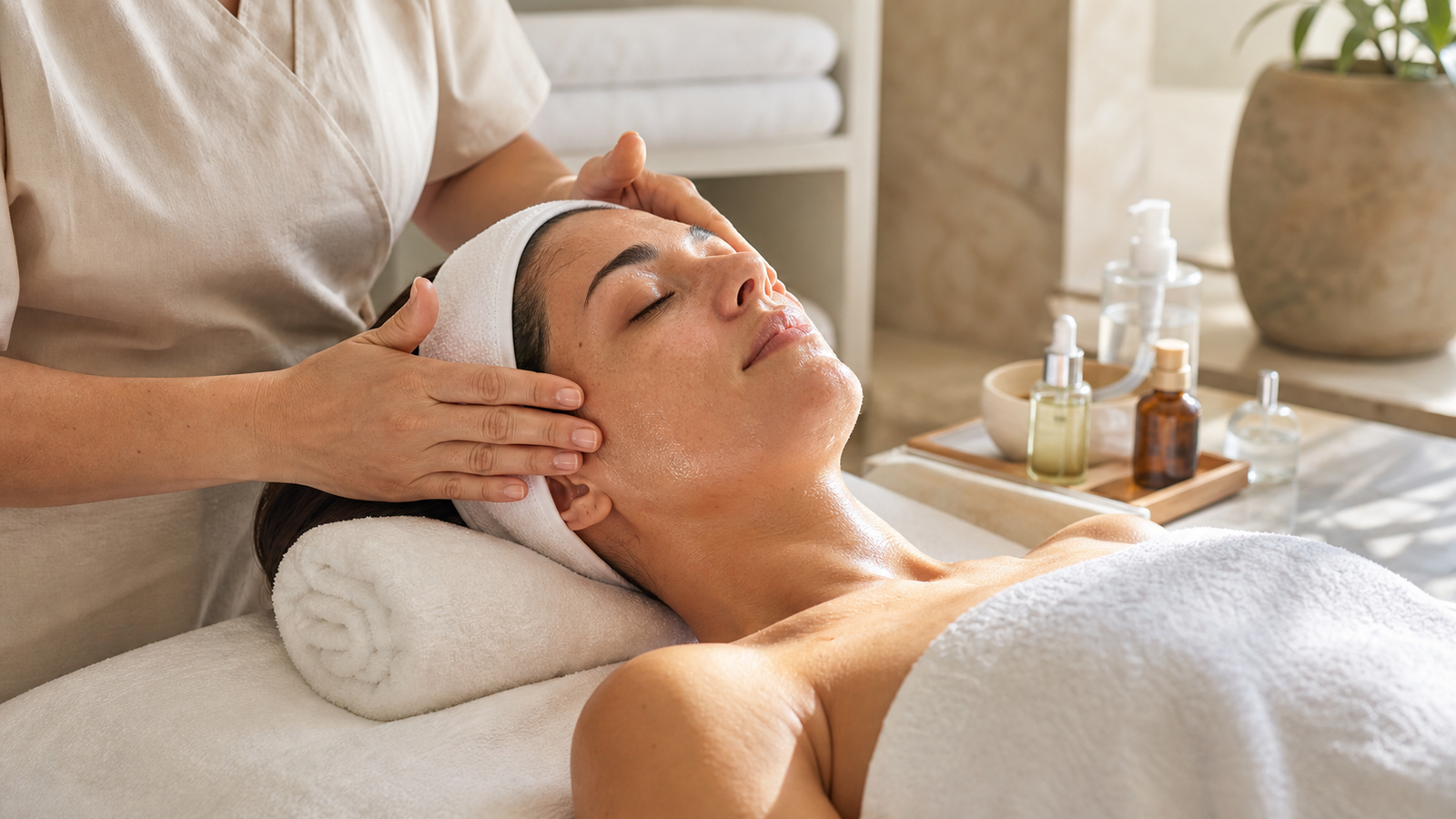
Why best facial is the wrong question until the skin is named
People search for the best facial because they want a shortcut to better skin. The problem is that best is not a treatment category. Best for an oily, congested, resilient skin is different from best for a dry, reactive, recently exfoliated skin. The first step is to name the actual goal: glow, hydration, smoother texture, less visible congestion, calmer redness, makeup readiness, or recovery after travel.
A premium skincare decision starts with today skin condition rather than the most exciting menu description. If the skin is tight, shiny, and uncomfortable, it may be dehydrated or barrier stressed. If it has visible clogged pores, it may need careful softening and selective extraction. If it stings easily, the best facial may be the quietest option on the menu.
A useful filter is to ask what the facial should change by tomorrow and what it should protect for the next month. Tomorrow might be glow, comfort, or smoother makeup. The next month is barrier health, fewer reactions, and a routine the person can repeat. The best treatment should serve both time frames instead of sacrificing tolerance for a short photo moment.
This is also why face skincare should be written with caution. A facial can improve cosmetic appearance and comfort, but it should not promise to cure acne, treat dermatitis, erase scars, or replace dermatological care. Helpful skincare content is confident about cosmetic decisions and conservative about medical claims.
Match the facial to the main skin goal
For glow before an event, choose hydration, gentle massage, mild brightening if tolerated, and a finish that leaves the skin comfortable. Avoid first-time aggressive peels right before a wedding, shoot, business dinner, or travel day. Event skin should be predictable skin.
For dehydration, a hydrating facial is usually more useful than a dramatic treatment. Look for humectants, moisturising steps, barrier-supportive textures, and reduced heat. The skin should leave feeling flexible, not squeaky. A gentle routine at home will extend the effect better than adding five new products at once.
For congestion, the best facial is not always the hardest extraction session. Softening, careful cleansing, limited extraction, and post-treatment calming matter. Over-extraction can create marks, soreness, and inflammation. If acne is painful, cystic, or persistent, a dermatologist is more appropriate than repeated aggressive facials.
Ultra-detailed infographic
Best Facial Selector
Choose by skin state, not by trend name. The same person may need different facials in different weeks.
Glow goal
Pick hydration, gentle massage, and barrier support. Avoid brand-new aggressive treatments right before events.
Congestion goal
Choose softening and conservative extraction. Stop if pressure becomes painful or leaves prolonged marks.
Sensitive goal
Choose fragrance-aware, low-heat, low-friction care. Less stimulation is the luxury.
Texture goal
Use exfoliation carefully and plan sunscreen. Do not combine every active in one appointment.
| Skin or claim signal | Best fit | Watch point | At-home support |
|---|---|---|---|
| Tight and dull | Hydrating facial | Humectants, moisturiser, light massage | Cleanser, moisturiser, SPF |
| Clogged pores | Clarifying facial | Softening, selective extraction, calming finish | No scrubs, no picking |
| Red or reactive | Calming facial | Cooler touch, low fragrance, barrier care | Simple routine for 72 hours |
| Uneven texture | Mild resurfacing facial | Careful exfoliation if tolerated | Strict sunscreen and active pause |
Sensitive skin needs a different definition of luxury
Sensitive skin often teaches the clearest lesson: luxury is not intensity. Luxury is being listened to. A sensitive-skin facial should avoid unnecessary fragrance, strong exfoliation, hot steam, rough cloths, and over-massage. The therapist should ask about stinging, rosacea, eczema history, allergies, and recent actives.
The American Academy of Dermatology Association recommends gentle cleansing habits and points readers toward dermatologists when they have skin-care concerns. That principle belongs inside facial selection. If a treatment makes the client feel embarrassed for having reactive skin, it is not premium. If the therapist adapts the session and explains why less is better today, the experience becomes more valuable.
For sensitive skin, the aftercare is part of the facial. Use lukewarm water, a gentle cleanser only when needed, a simple moisturiser, and sunscreen. Avoid the temptation to add a new acid, retinoid, fragrance oil, or scrub while the skin is still settling.
What to ask before booking a best facial recommendation
Ask what the facial is designed to do and what it intentionally avoids. Ask whether extraction is included or optional. Ask whether the treatment uses exfoliating acids, retinoid-like ingredients, heat, steam, massage, devices, or fragrance. Ask what should be paused before and after the appointment. Good providers answer plainly.
Also ask how the provider handles different skin tones. Irritation, post-inflammatory marks, and over-extraction can create visible aftermath on many complexions. A premium facial should not treat every skin tone as if redness is the only warning sign. Comfort, heat, swelling, tenderness, and next-day changes matter too.
Ask how the treatment will be modified if the skin reacts during the appointment. This is an underrated quality signal. A serious provider can reduce pressure, remove heat, skip a step, use a calmer finish, or stop. A weak provider keeps following the menu because the menu is easier than reading the face.
Finally, ask what the home routine should look like. The best facial should simplify the bathroom shelf. The answer may be cleanser, moisturiser, SPF, and one targeted serum. That may sound modest, but consistency is often more powerful than a dramatic one-off appointment.
Build the face skincare routine around the facial
Before a facial, do not try to improve the result by attacking the skin. Pause harsh scrubs, avoid sunburn, and tell the provider about recent actives. During the facial, let the treatment do its job. After the facial, protect the barrier and sunscreen the result. The American Academy of Dermatology Association notes that sunscreen choice and use matter, including mineral options often recommended for sensitive skin.
A SKINEGA-style routine after a facial is deliberately restrained. Morning: rinse or cleanse gently, apply a hydrating layer if needed, moisturise if the skin feels dry, and apply sunscreen. Evening: cleanse sunscreen and makeup, apply a simple serum or moisturiser, and stop. Add stronger active products back slowly only when the skin is calm.
This restrained approach is especially helpful for people who already own many products. A facial is not permission to restart everything at once. Reintroduce one active category at a time and watch how the skin feels after cleansing, after moisturiser, and the next morning. Comfort is data.
The broader article network supports this logic. Read Vegan Skincare Ingredients for ingredient purpose, Free Us From Free-From Lists for claim discipline, and Facial Lymphatic Drainage for Glow Skin for massage-specific aftercare. The best facial is easier to choose when the whole routine has a point.
How to use this facial treatment guide
The best facial treatment is chosen by today’s skin state, not by a permanent label or the most expensive name on a menu. Begin with the main concern, then account for sensitivity, current active products, recent procedures, event timing, shaving, climate, and tolerance for downtime. A person with oily skin may still be dehydrated; a person seeking glow may need redness control first; a mature-skin client may benefit more from hydration and careful massage than aggressive resurfacing.
Use this page as the decision hub. Acne-prone and congested skin needs selective extraction and clear medical boundaries. Sensitive or redness-prone skin needs lower heat, friction, and fragrance. Dehydrated skin needs water-binding ingredients plus an appropriate moisturising finish. Event preparation needs a timeline. Men’s facials should account for shaving and beard zones. After exfoliation, timing and recovery signals matter more than a universal waiting period.
Every supporting guide below links back here and to closely related concerns. This creates a practical route from broad comparison to a specific booking decision, then into aftercare. It also prevents treatment names from becoming isolated promises: Hydrafacial, Kobido, lymphatic drainage, classic facials, and calming facials are methods whose value depends on the person, provider, pressure, products, and total treatment intensity.
When comparing treatments, separate the desired result from the method. Hydration, calm, surface smoothness, conservative congestion care, reduced puffiness, and event readiness are goals. Acids, suction, extraction, massage, masks, and devices are methods. A goal may be appropriate while one method is not. The provider should be able to adjust the method without making the client feel that a simplified facial is inferior.
The final selection should include an intensity budget and a recovery plan. Recent retinoids, exfoliation, shaving, sun exposure, procedures, and current sensitivity reduce how much stimulation makes sense. A treatment that spends the entire budget on one visit can create more aftercare than benefit. The strongest recommendation is often the one that leaves enough tolerance for the client’s normal life and established routine.
Use sensation as well as appearance when comparing options. Tightness, heat, tenderness, stinging, and delayed reactions can reveal that a visually attractive treatment was too intense. Track how the skin feels that evening and over the next three days. This simple feedback turns a one-off appointment into a safer, more accurate plan for future facials.
Explore the SKINEGA facial treatment cluster
Start with the Best Facial Treatment for Every Skin Concern, then continue by skin concern, treatment method, timing, or aftercare.
- Facial for Sensitive Skin
- Kobido Facial for Mature Skin
- Facial Massage and Lymphatic Drainage
- Best Facial Bangkok
- Best Facial for Acne-Prone Skin: A Premium Guide to Congestion, Breakouts, and Barrier-Safe Care
- Hydrafacial vs Facial: How to Choose the Right Premium Treatment for Your Skin
- Best Facial for Dehydrated Skin: Restore Comfort, Bounce, and Barrier-Safe Glow
- Facial for Redness: A Calm, Barrier-Safe Guide to Choosing Treatment Without Overstimulating Skin
- Facial After Exfoliation: When to Wait, What to Avoid, and How to Protect Your Skin Barrier
- Best Facial Before an Event: A Timeline for Predictable Glow Without Last-Minute Irritation
- Facial Aftercare: The First 72 Hours for Calm, Comfortable, Longer-Lasting Results
- Best Facial for Men: A Practical Guide to Shaving, Congestion, Hydration, and Grooming
FAQ: best facial
What is the best facial for glowing skin?
For most people, a hydrating facial with gentle massage and barrier support is the safest glow option, especially before an event. Strong peels are not always better.
What facial is best for sensitive skin?
Sensitive skin usually benefits from calming, low-friction, low-fragrance treatments with minimal heat and no aggressive exfoliation. The provider should adapt the session.
Should I get extraction during a facial?
Extraction can help some clogged pores, but it should be selective and comfortable. Painful or excessive extraction can leave irritation and marks.
How do I keep results after a facial?
Use gentle cleansing, moisturiser, and sunscreen. Avoid harsh scrubs, strong acids, and new actives for a short recovery window unless the provider gave specific guidance.