
In this guide: kobido facial. Related care themes: kobido facial benefits, kobido facial for mature skin, facial massage for mature skin, natural face lifting massage, premium anti aging facial, lift and glow facial, kobido massage routine.
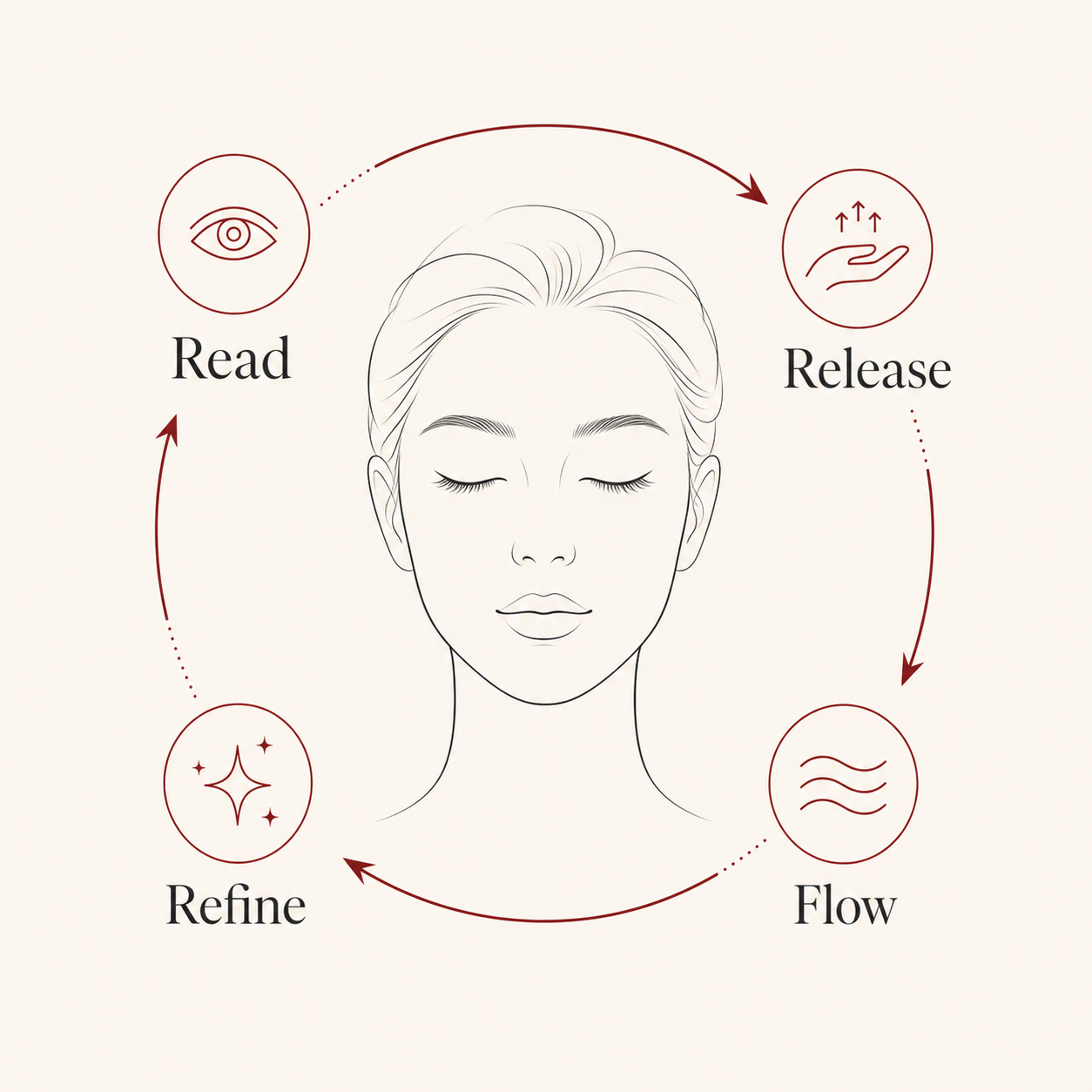
Why kobido belongs in the mature-skin conversation
Mature skin is often discussed as if it needs bigger promises, stronger actives, and more visible intervention every time the mirror looks tired. In practice, the opposite is frequently true. Mature skin tends to reward consistency, texture intelligence, and low-friction technique more than it rewards theatrical intensity. This is why interest in the kobido facial keeps resurfacing in premium facial spaces. People are not only looking for glow. They are looking for a treatment that feels intelligent on skin that has less patience for aggression.
The appeal is easy to understand. Kobido-inspired facial massage sits inside the broader world of natural face lifting rituals, premium anti-aging facials, lymphatic-style drainage, and tension-release treatments. It promises movement rather than abrasion. It suggests tone rather than drama. For readers who feel overwhelmed by needles, peels, or the constant pressure to escalate, that positioning matters.
Still, the phrase kobido facial can become vague very quickly. Some treatments use it to mean fast rhythmic lifting strokes. Others use it as a generic label for luxury facial massage. The SKINEGA approach is to make the topic practical. What can a kobido facial realistically do for mature skin? What type of mature skin tends to enjoy it most? How should it be paired with moisturizers, sunscreen, actives, and other facials so the barrier stays calm? Those are the questions worth answering.
What a kobido facial actually is, and what it is not
In beauty settings, kobido usually refers to a Japanese-inspired facial massage style that combines rhythmic movement, lifting sequences, release around the jaw and temples, and a polished sense of pace. The treatment often feels quicker and more animated than a generic spa massage, yet it should still remain controlled. Mature skin does not benefit from being yanked, scraped, or rubbed into heat for the sake of visible effort.
This distinction matters because facial massage is often marketed with language that outruns reality. A kobido facial may help the face look more awake, more rested, or more defined for a time by releasing tension, improving the appearance of puffiness, and refining the way light sits on the skin. It does not replace sun protection, sleep, professional dermatology care, or realistic skincare structure. It is a premium support ritual, not a magic loophole around skin aging.
Readers who already responded to Facial Lymphatic Drainage for Glow Skin will notice some overlap. Both styles rely on lightness, direction, and good slip. But kobido tends to feel more sculptural and rhythmic. It is less about broad de-puffing alone and more about coordinated facial animation, especially around the jawline, cheeks, and brow. For mature skin, that can be useful when it stays respectful.
Why mature skin needs rhythm, slip, and barrier respect
Mature skin often comes with a different sensory profile. The face may feel drier after cleansing, thinner around the eye area, more vulnerable to over-exfoliation, and less forgiving when the routine becomes chaotic. DermNet overview of skin ageing is a useful reminder that aging skin reflects both intrinsic change and the cumulative effects of sun exposure over time. This is one reason why massage technique cannot be separated from general skin-care discipline.
A kobido facial should begin with the same fundamentals that make any premium facial credible: a gentle cleanse, enough product slip, attention to the client active routine, and a clear decision about how much stimulation the skin can handle that day. If the face is already tight, sensitized, post-travel, or over-processed, more force is not sophistication. It is usually a mistake.
This is where mature skin overlaps with the logic in Skin Barrier Repair Routine. The skin barrier does not stop mattering once anti-aging becomes the goal. In fact, it matters more. A lifted-looking face with a hot, irritated surface is not a premium result. A kobido facial is strongest when the rhythm energizes the face while the products and pressure protect tolerance.
The premium treatment sequence: consultation before choreography
People often focus on the hand movements because they are visible and easy to romanticize. But the premium part of a kobido facial starts before the first lifting stroke. The therapist should ask about retinoids, acids, recent peels, injectables, bruising tendency, rosacea patterns, allergies, and how the skin behaved in the previous week. Mature skin can change quickly depending on travel, hormones, stress, sleep, and product overload. The consultation turns a beautiful treatment into a safe one.
Once the skin is assessed, the sequence usually becomes clearer. Some faces need more release around the jaw because tension is flattening expression. Some need softer drainage around cheeks and under-eyes because puffiness is the main issue. Some need more product cushion because dryness and friction are the real story. Mature skin does not need a performance of technique. It needs the technique that fits the face in front of the therapist.
Readers who like a structured decision framework may want to compare this with Best Facial for Your Skin. The best facial is not the one with the most prestigious name. It is the one with the smartest diagnosis. Kobido earns its premium reputation when it is adapted thoughtfully instead of applied identically to every client.
Mature-skin framework
Kobido and Mature Skin Checklist
When the goal is a fresher, more lifted-looking face, these choices usually matter more than intensity.
Start with diagnosis
Ask about recent retinoids, acids, dryness, bruising, and event timing before any lifting sequence begins.
Choose slip over force
A rich enough oil or serum helps the hands glide so the skin is moved thoughtfully rather than dragged.
Protect the result
The massage is only part of the story. Moisturizer and daily sunscreen keep the face from losing comfort again.
Keep home care shorter
A few calm minutes at home often outperform longer enthusiastic sessions that create heat and friction.
| What you notice | Best move now | Watch point | When to restart stronger steps |
|---|---|---|---|
| Face feels tight after cleansing | Use a gentler cleanse and richer slip before massage | Dry friction and hot water | Only after the skin feels comfortable for several days |
| Jaw looks tense and heavy | Focus on release and light lifting around jaw and temples | Hard sculpting and repeated pinching | When the face looks fresher without soreness |
| Skin is mature and reactive | Reduce speed, fragrance, and repetition | Trying to copy vigorous social-media technique | After tolerance is stable |
| Big event in Bangkok this week | Choose a calm premium facial, not an aggressive peel | Last-minute intensity and new treatments | After the event window passes |
How kobido differs from hard sculpting trends
There is a visible difference between a refined lifting-focused facial and the kind of hard sculpting popularized in short social clips. The internet often rewards force because force is easier to film. But mature skin rarely benefits from a treatment that leaves the face very red, overworked, or tender the next day. A kobido facial should feel alive without becoming abrasive. Fast rhythm is not the same thing as roughness.
This is where broader guidance from sources such as Cleveland Clinic discussion of gua sha helps conceptually. Even when a tool or massage method is framed as gentle, pressure still matters. The same principle applies to hands-only facial work. If the treatment relies on heavy dragging, repeated scraping, or an inflated claim of detoxification, the treatment has moved away from premium technique and closer to skin stress.
SKINEGA perspective stays simple: a lifted-looking result should come from releasing tension, improving movement, and respecting the barrier, not from proving how much the skin can survive. Mature skin usually looks more expensive when it is calm, comfortable, and luminous rather than obviously manipulated.
Case study: a Bangkok facial before a dinner, launch, or business week
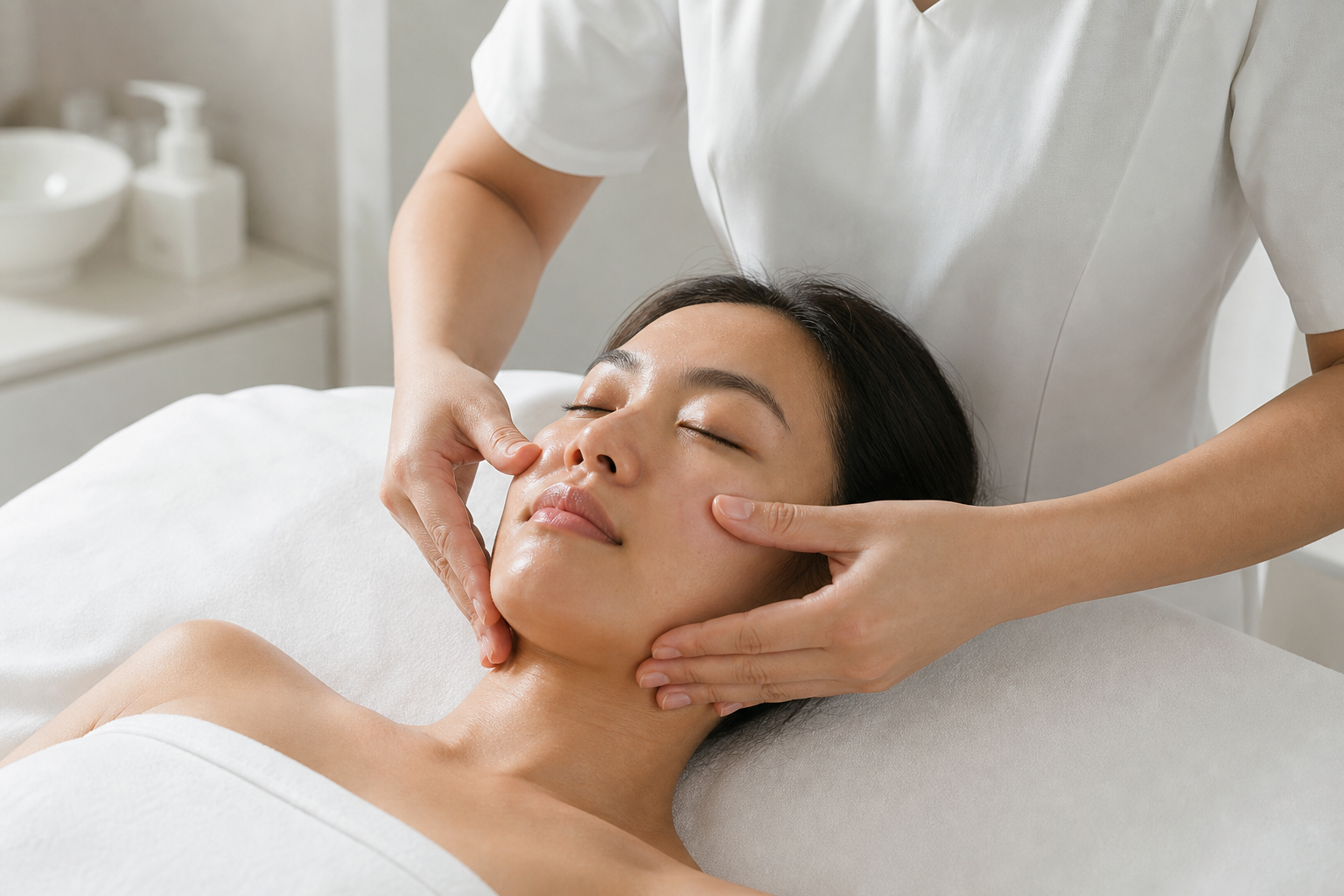
Imagine a client in Bangkok preparing for a private dinner, gallery event, or a week of meetings. The face is not in crisis, but it looks flat from air conditioning, city heat, poor sleep, and several recent nights of active-heavy skincare. The client wants definition and freshness, but also knows that mature skin can punish last-minute experimentation. This is an ideal setting for a kobido-style facial because the goal is visible polish without unnecessary trauma.
In that setting, the best version of the treatment would combine a gentle cleanse, layered slip, rhythmic lifting work, drainage where needed, and a finish that leaves the skin ready for moisturizer and sunscreen rather than recovery mode. Referencing a treatment-specific benchmark such as kobido massage is justified here because the article is directly discussing diagnosis-led luxury facial care and a kobido-focused spa context. The city is not being used as decoration. It is part of the treatment context.
The success metric is subtle but meaningful. The face should look more awake, less tense, and better able to hold makeup or go makeup-light without feeling exposed. Mature skin often photographs better when the treatment respected the barrier and facial tension rather than chasing instant anti-aging spectacle.
What to do between appointments
The most honest support routine between kobido facials is not elaborate. Start with gentle cleansing only as needed. The American Academy of Dermatology face-washing guidance remains useful because mature skin can become drier and more reactive when cleansed too often or too aggressively. The face should feel clean, not stripped.
Next, focus on moisturizer fit. The AAD moisturizer guidance is practical because it treats skin type as a real variable. Some mature skin prefers a richer cream. Some prefers a lighter lotion with strong comfort but less weight. The real goal is repeatability. A moisturizer that pills, stings, or feels suffocating will not support massage or the barrier. A product that the skin accepts morning and night is more valuable than a formula with an impressive ingredient speech.
Sunscreen is non-negotiable. This is not an extra anti-aging note tacked onto the end of the article. It is structural. If a person invests in premium facials but lets daily UV exposure keep photoaging active, the routine is fighting itself. A broad-spectrum SPF 30 or higher remains the conservative standard, and mature skin usually benefits from treating sunscreen as a daily finish rather than an occasional correction.
Readers who prefer a philosophy check can revisit Skin Science: Why Less Is More. Kobido fits best inside a routine that already values less friction, clearer sequencing, and stronger basics.

Can you do a kobido-inspired routine at home?
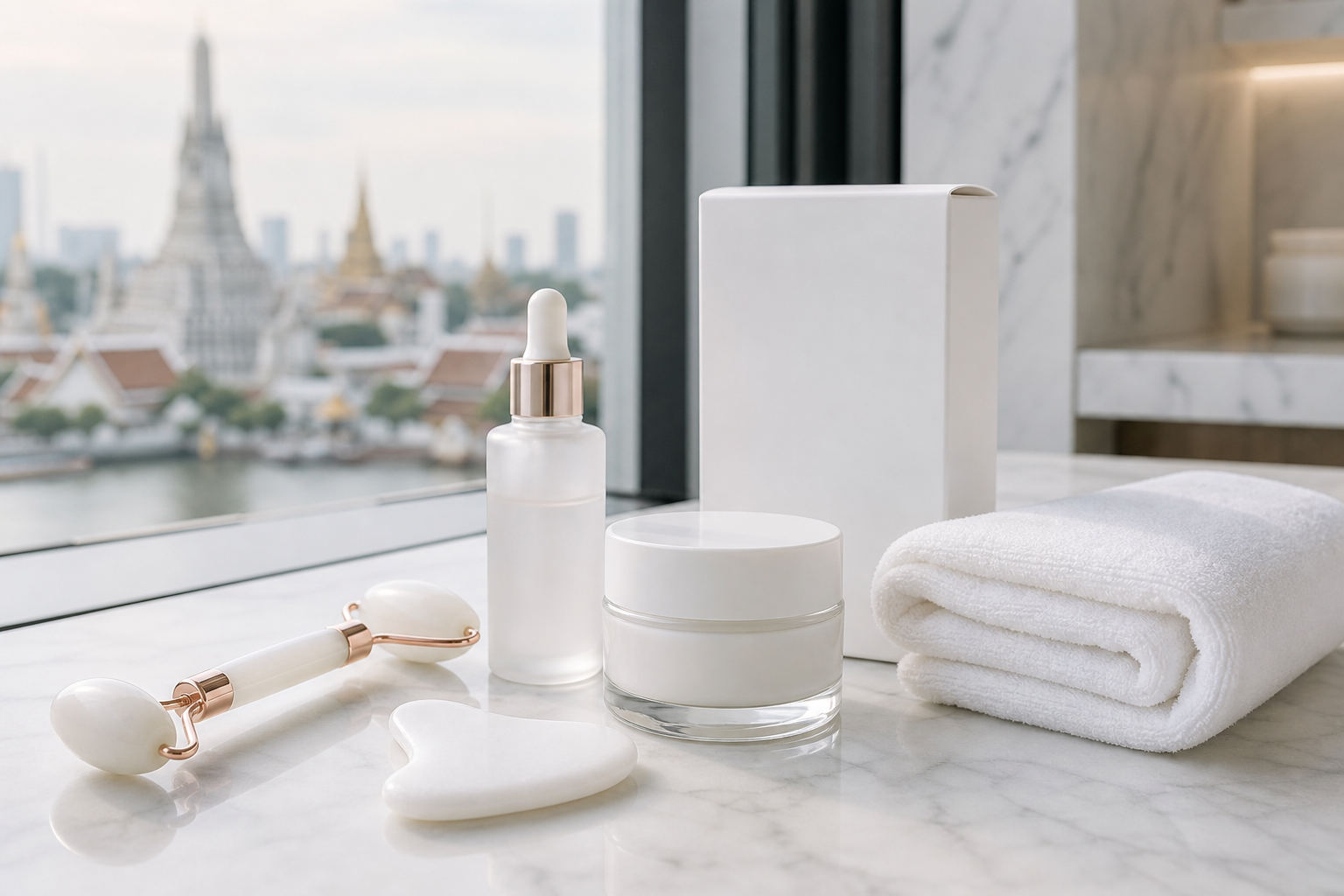
Yes, but the home version should be shorter and gentler than the spa fantasy version in your head. A few light upward strokes across the cheek, controlled release around the jaw, soft pressure at the temples, and a calm glide down the neck may help the face look fresher before an event or after travel. Cleveland Clinic self-massage guidance around lymphatic movement is useful here because it reinforces the principle of light, strategic pressure rather than muscular force.
The home mistake is almost always overdoing it. People become enthusiastic, add too little slip, and keep repeating the movement because they want to manufacture a stronger effect. Mature skin usually responds better to five attentive minutes than to fifteen noisy ones. Enough facial oil or serum to prevent drag is essential. If the product dries down, the massage should stop or more slip should be added.
This is also the moment to respect timing. Do not experiment with a hard self-massage routine right after a peel, after intense sun, over broken capillaries, or on a face already irritated by retinoids and acids. Home kobido-inspired care should feel elegant and calming. If the mirror shows heat, irritation, or soreness instead of refinement, the pressure or frequency was wrong.
How mature, dry, and reactive skin change the answer
Dry mature skin often enjoys kobido most because the massage can improve product spread, release stiffness, and create a more alive surface without the need for strong resurfacing. The key is enough cushion. Richer textures, warm hands, and patient pacing usually matter more than adding more steps.
Reactive mature skin may still enjoy the treatment, but only when the therapist scales back. Less speed, less repetition on fragile areas, fewer scented textures, and more recovery-minded finishing can make the difference between a premium facial and a setback. Reactive skin should not be forced to behave like resilient skin for the sake of a trendy ritual.
Combination or oilier mature skin can also benefit. The common mistake there is assuming oiliness means the face wants less moisturizer or stronger massage. In reality, oilier mature skin can still be dehydrated and tight under the surface. A lighter emulsion and measured pressure often work better than trying to scrub or sculpt the oil away.
When to slow down, skip it, or ask a professional
A kobido facial is cosmetic and wellness-oriented, not a substitute for medical evaluation. If the face is suddenly swollen, one-sided, painful, hot, bruising easily, or covered in a rash, the correct next step is not more massage. It is professional medical advice. The same caution applies after procedures, during infection, or when an ongoing skin condition is flaring.
Even in the spa context, there are days when a gentler hydrating facial is smarter than a lifting-focused one. A responsible therapist should be able to say that without sounding less premium. The willingness to downshift is part of the quality signal. Luxury becomes more believable when it includes restraint.
If your skin repeatedly feels better after a simplified routine than after ambitious treatment weeks, believe that pattern. Mature skin often teaches the same lesson again and again: consistency, slip, sunscreen, and tension release usually outperform chaos.
Conclusion: the lifted look should never cost you tolerance
A kobido facial can be a beautiful part of mature-skin care because it offers something many people actually want: a fresher-looking face, better circulation, less visible tension, and a premium experience that does not depend on harsh exfoliation. But its value comes from refinement, not exaggeration.
For SKINEGA, the real luxury is not pretending that mature skin can be bullied into youth. The luxury is skin that still feels comfortable after the treatment, a face that looks rested rather than overworked, and a routine that keeps supporting the result through cleansing, moisturizer, and sun protection. If the treatment respects the barrier while improving tone and expression, it is doing exactly what a premium facial should do.
Explore the SKINEGA facial treatment cluster
Start with the Best Facial Treatment for Every Skin Concern, then continue by skin concern, treatment method, timing, or aftercare.
- Facial for Sensitive Skin
- Facial Massage and Lymphatic Drainage
- Best Facial Bangkok
- Best Facial for Acne-Prone Skin: A Premium Guide to Congestion, Breakouts, and Barrier-Safe Care
- Hydrafacial vs Facial: How to Choose the Right Premium Treatment for Your Skin
- Best Facial for Dehydrated Skin: Restore Comfort, Bounce, and Barrier-Safe Glow
- Facial for Redness: A Calm, Barrier-Safe Guide to Choosing Treatment Without Overstimulating Skin
- Facial After Exfoliation: When to Wait, What to Avoid, and How to Protect Your Skin Barrier
- Best Facial Before an Event: A Timeline for Predictable Glow Without Last-Minute Irritation
- Facial Aftercare: The First 72 Hours for Calm, Comfortable, Longer-Lasting Results
- Best Facial for Men: A Practical Guide to Shaving, Congestion, Hydration, and Grooming
FAQ: kobido facial for mature skin
Is a kobido facial good for mature skin?
It can be an excellent option for mature skin when the technique is gentle, well-cushioned, and adapted to the skin condition that day. The benefit is usually a fresher, more lifted-looking appearance rather than a permanent structural change.
How is kobido different from a standard facial massage?
Kobido-inspired massage is usually more rhythmic and lifting-focused, with attention to release, circulation, and coordinated hand choreography. A standard facial massage may be slower, simpler, or less sculptural.
Can kobido replace anti-aging skincare?
No. A kobido facial can complement skincare, but mature skin still benefits from gentle cleansing, a suitable moisturizer, sunscreen, and carefully chosen actives when tolerated.
How often should I get a kobido facial?
That depends on your budget, schedule, and skin tolerance. Many people do well with occasional professional sessions supported by a short, low-friction home routine rather than trying to recreate a full spa treatment every day.
Who should avoid a kobido facial?
Skip it or ask a professional first if the face is inflamed, suddenly swollen, painful, bruising easily, freshly treated with an aggressive procedure, or flaring with a skin condition that needs medical guidance.
Editorial sources and further reading
- American Academy of Dermatology - Face washing 101
- American Academy of Dermatology - How to pick the right moisturizer for your skin
- American Academy of Dermatology - Sunscreen FAQs
- DermNet - Skin ageing
- Cleveland Clinic - Gua Sha: What It Is and How To Do It
- Cleveland Clinic - How to do lymphatic drainage self-massage