
Primary keyword: hydrafacial vs facial. Search intent: Commercial investigation.
Why this treatment choice needs more nuance
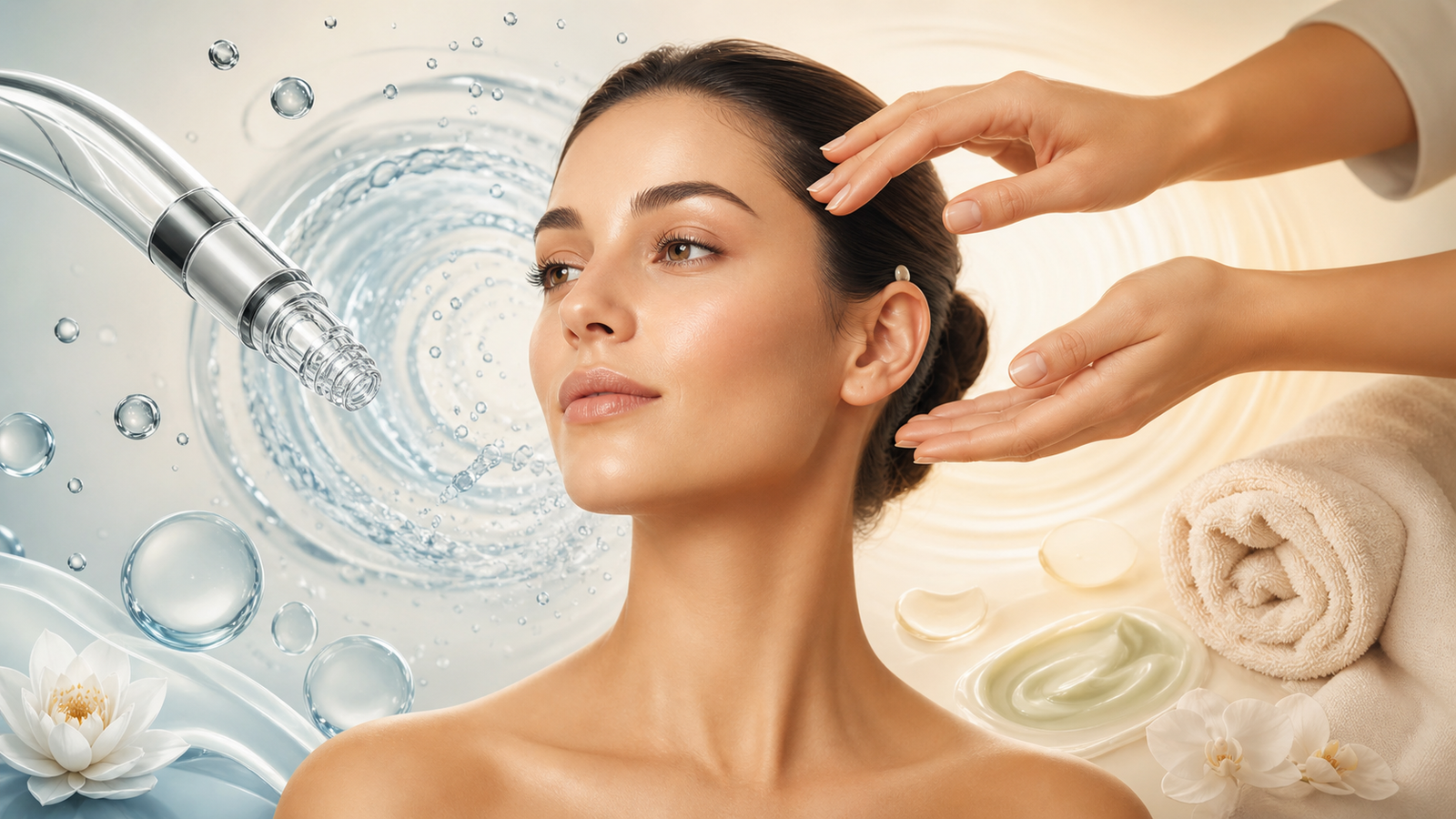
The useful Hydrafacial vs facial comparison is not machine versus hands. It is a comparison of treatment architecture. Hydradermabrasion usually follows a device-led sequence of cleansing, surface exfoliation, fluid delivery, and suction-assisted debris removal. A classic facial can combine cleansing, manual analysis, massage, masks, selective extraction, and product application.
A structured device protocol can appeal to clients who value repeatability and a polished surface feel. A classic facial can be more flexible when a therapist needs to vary pressure, spend longer on massage, avoid a reactive zone, or simplify the session. Quality depends on judgement in both formats.
Neither category guarantees zero irritation. Suction, exfoliating solutions, manual extraction, fragrance, heat, and massage are all variables. The consultation should identify recent retinoid or acid use, sensitivity, rosacea, active breakouts, sun exposure, and upcoming events before the treatment is selected.
How a premium consultation turns the keyword into a real decision
Searching for hydrafacial vs facial usually begins with a treatment name, but a professional decision begins with the skin in front of the therapist. The consultation should connect visible signs, sensation, recent products, previous reactions, timing, and the client’s tolerance for downtime. It should also identify what the service will not attempt. This prevents a popular menu from being applied to a person simply because the wording sounds relevant.
Signals to discuss
- visible congestion and a preference for a structured device-led protocol
- dehydration that benefits from cleansing plus a hydrating finish
- sensitivity that may favour a lower-intensity hands-on facial
- facial tension or puffiness where massage is the main goal
Useful treatment goals
- compare technique rather than marketing names
- match suction and exfoliation to tolerance
- decide how important massage and manual adaptation are
- plan downtime and aftercare
Steps to question or avoid
- assuming a device is automatically more advanced
- using strong suction on fragile or highly reactive skin
- choosing a classic facial that follows a rigid menu
- combining every optional booster
- promising identical results for every client
Treatment intensity is a variable, not a mark of quality. Heat, suction, exfoliation, extraction, massage pressure, devices, fragrance, and total product count can each be increased, reduced, moved to one zone, or removed. A premium provider explains those choices in plain language. The best session is not the one that performs every possible step; it is the one in which every retained step has a defensible purpose.
Comfort is useful data throughout the appointment. Stinging, burning, painful pressure, sudden itching, or rising heat should be reported immediately. Enduring discomfort does not make a cosmetic treatment more effective. A therapist who can pause, rinse, cool, simplify, or stop is demonstrating expertise. If the skin presentation falls outside cosmetic scope, referral to a qualified clinician is the correct outcome.
Home care carries the result. Most clients need a gentle cleansing plan, suitable moisturising, sun protection, and a clear schedule for returning to established active products. The exact texture and timing vary, but the principle is stable: reduce avoidable irritation while the skin settles. Buying several new products on treatment day can make it difficult to know what helped and what caused a reaction.
How an expert evaluates a hydrafacial vs facial treatment menu
Read a facial menu in two layers. The first layer is the promised outcome: clearer-looking pores, hydration, calm, glow, smoother makeup, or a more rested appearance. The second is the mechanism used to pursue it: cleansing, acids, enzymes, scrub particles, heat, suction, extraction, massage, mask, light, or finishing products. The outcome may suit the client while one mechanism does not. A professional should be able to preserve the goal and change the method rather than insisting that the named protocol is indivisible.
| Skin signal | Constructive goal | Question carefully |
|---|---|---|
| visible congestion and a preference for a structured device-led protocol | compare technique rather than marketing names | assuming a device is automatically more advanced |
| dehydration that benefits from cleansing plus a hydrating finish | match suction and exfoliation to tolerance | using strong suction on fragile or highly reactive skin |
| sensitivity that may favour a lower-intensity hands-on facial | decide how important massage and manual adaptation are | choosing a classic facial that follows a rigid menu |
| facial tension or puffiness where massage is the main goal | plan downtime and aftercare | combining every optional booster |
Think of the appointment as having an intensity budget. Recent retinoids, acids, shaving, waxing, sun exposure, a damaged-feeling barrier, sensitivity, travel fatigue, or another procedure can reduce that budget. Exfoliation, suction, extraction, heat, and vigorous massage all spend from it. Combining several high-intensity steps does not guarantee a better result; it can simply make the skin harder to read and the recovery less predictable. A thoughtful facial spends intensity only where the expected cosmetic benefit justifies it.
Hygiene and documentation belong inside the definition of luxury. Hands and tools should be clean, reusable equipment should be handled according to its protocol, products should be stored appropriately, and applicators should not contaminate shared containers. The consultation record should capture allergies, current products, relevant procedures, sensitivities, and agreed modifications. These details are less photogenic than a treatment room, but they protect the client and allow the next appointment to improve on the last.
Judge the result against the original goal, not against an edited before-and-after image. Useful short-term measures include comfort after cleansing, reduced surface tightness, a smoother-looking finish, less visible superficial congestion, reduced puffiness, or makeup sitting more evenly. Some effects are temporary because hydration, circulation, and surface texture naturally change. A responsible provider explains what may last, what requires repetition, and what depends mainly on the home routine.
Finally, know when not to proceed. Active infection, open or weeping skin, marked swelling, severe pain, a sudden unexplained rash, eye involvement, a significant allergic reaction, or a medical condition outside the provider’s scope should not be hidden beneath a cosmetic protocol. Recent procedures may also carry their own waiting periods. Postponing or referring is not a failed appointment; it is evidence that safety and skin judgement outrank the sale.
Designing the treatment around skin state
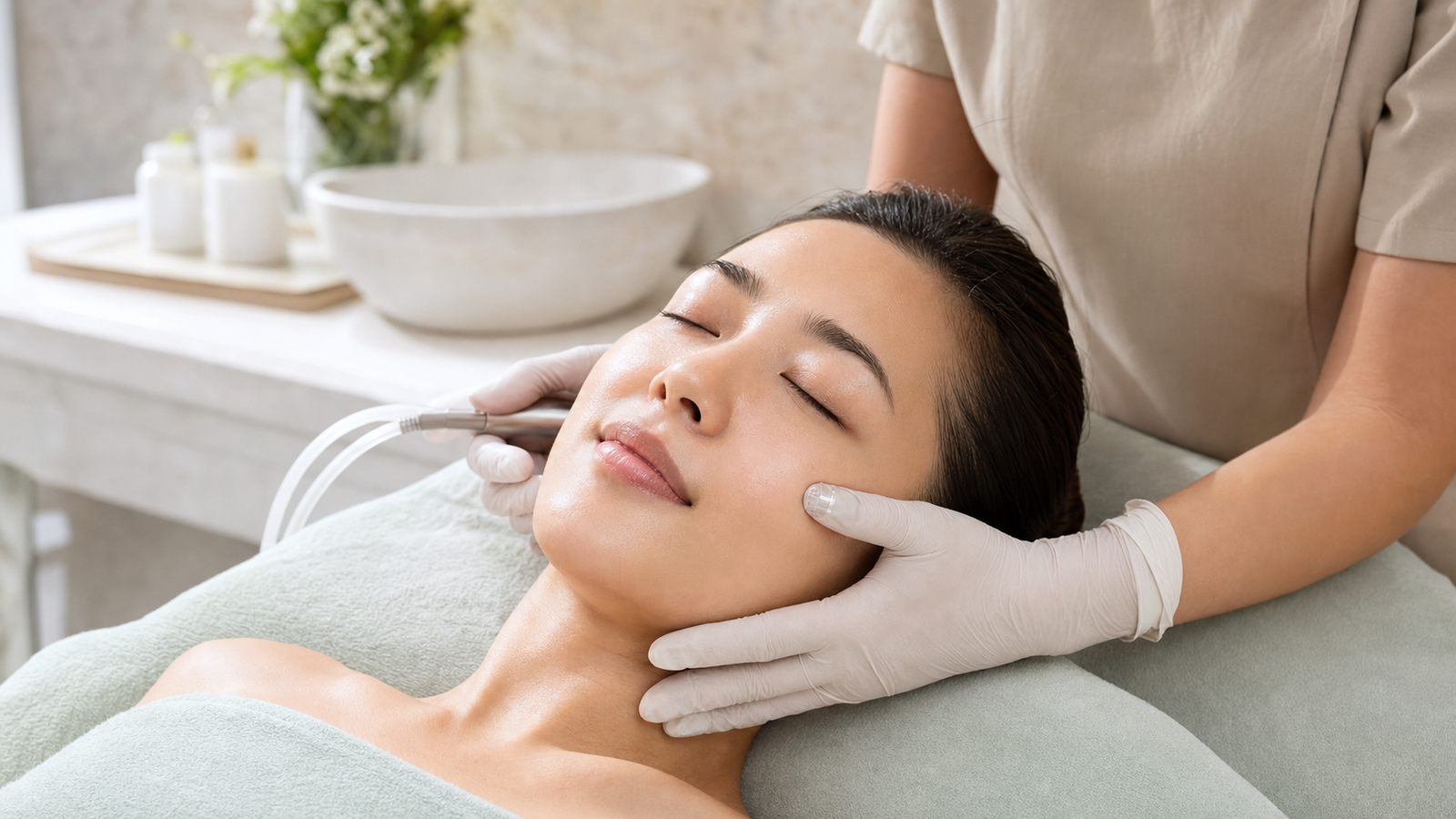
For oily or congested skin, hydradermabrasion may offer efficient cleansing and a controlled extraction-style step. For a client seeking relaxation, facial tension relief, or a slower sensory ritual, a classic facial may feel more complete. Some premium studios combine the two thoughtfully rather than treating them as rivals.
Price should be interpreted through time, expertise, products, customisation, hygiene, and follow-up, not only the presence of equipment. A costly machine session with no consultation can be less valuable than a carefully adapted classic facial. A beautiful room cannot compensate for poor treatment selection.
The fairest outcome language is cosmetic: smoother-looking surface, fresher appearance, temporary plumpness from hydration, less visible surface congestion, and a rested feel. Claims about curing acne, permanently shrinking pores, or rebuilding skin in one session should be treated cautiously.
Before, during, and after: a practical timeline
Before booking
Ask which steps are fixed, which can be modified, whether suction or acids are used, and what aftercare is expected. The provider should adjust this stage to the treatment intensity, current skin comfort, and any instructions from a dermatologist or procedure specialist. When those instructions differ from general spa guidance, the specific medical or procedure aftercare takes priority.
On treatment day
Report current actives, sensitivity, recent procedures, and the result you want: cleansing, hydration, glow, massage, or event readiness. The provider should adjust this stage to the treatment intensity, current skin comfort, and any instructions from a dermatologist or procedure specialist. When those instructions differ from general spa guidance, the specific medical or procedure aftercare takes priority.
During the session
Suction and pressure should remain comfortable. A premium provider can lower intensity, skip a zone, or switch methods. The provider should adjust this stage to the treatment intensity, current skin comfort, and any instructions from a dermatologist or procedure specialist. When those instructions differ from general spa guidance, the specific medical or procedure aftercare takes priority.
After either facial
Keep cleansing gentle, moisturise according to skin feel, use sunscreen, and delay unnecessary exfoliation while the result settles. The provider should adjust this stage to the treatment intensity, current skin comfort, and any instructions from a dermatologist or procedure specialist. When those instructions differ from general spa guidance, the specific medical or procedure aftercare takes priority.
Premium spa case study: judgement before intensity
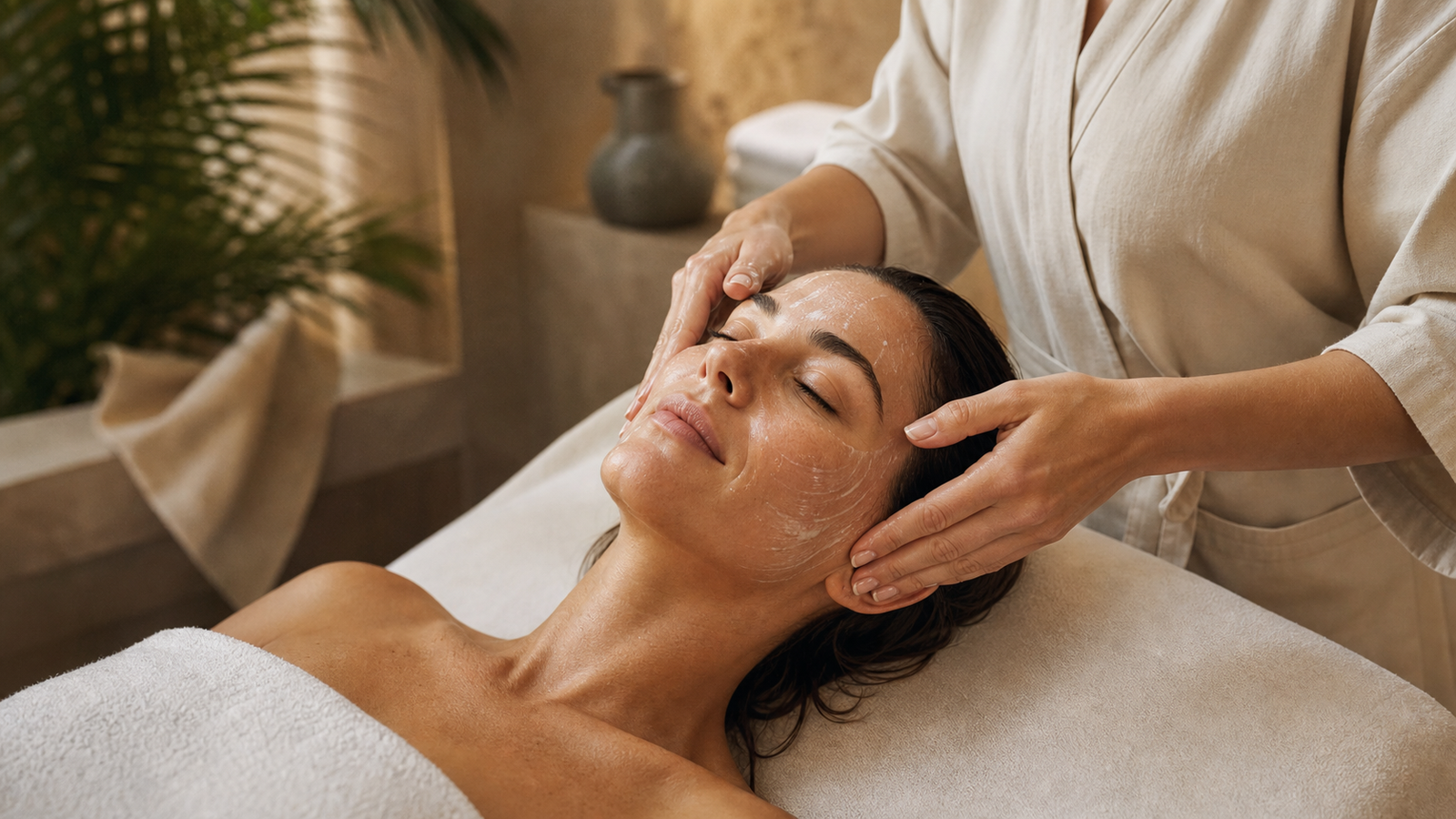
A Bangkok traveller wanted a bright, clean finish before several dinners but had reactive cheeks and congestion around the nose. The therapist used a low-intensity device step only through the T-zone, then switched to a classic hydrating mask and gentle manual finish on the cheeks.
The hybrid plan answered the real skin map rather than forcing one treatment label. Readers comparing a luxury experience can see the same consultation-first logic when researching the best facial bangkok: the valuable question is how a provider adapts the treatment, not which trademark appears largest on the menu.
Questions worth asking before you book
Ask what the treatment is designed to change, which steps are optional, what recent products or procedures must be disclosed, how the provider responds if the skin becomes uncomfortable, and what the recovery window looks like. Ask whether extraction, exfoliation, steam, suction, massage, fragrance, or devices are included. A clear answer is more useful than a long list of branded upgrades.
Also ask what result is realistic after one visit. Cosmetic facials may support hydration, comfort, surface smoothness, a rested appearance, or less visible congestion. They should not be sold as cures, guaranteed anti-aging, permanent pore reduction, or substitutes for diagnosis and treatment. The more specific the claim, the more important it is to understand the evidence and professional scope behind it.
Continue through the SKINEGA facial treatment cluster
Use the Best Facial Treatment for Every Skin Concern to compare treatment routes across skin concerns. Then continue with the most relevant supporting guides:
FAQ: hydrafacial vs facial
Is a Hydrafacial better than a regular facial?
Not universally. It may suit clients who want a structured device-led cleanse and hydration sequence, while a classic facial may offer more massage and manual adaptation. The safest answer still depends on current skin condition, the exact treatment, and any professional care already in place.
Which treatment is better for sensitive skin?
A gentle classic facial is often easier to simplify, but a carefully adjusted device treatment may also be possible. Consultation and current skin condition matter more than the label. The safest answer still depends on current skin condition, the exact treatment, and any professional care already in place.
Does Hydrafacial include extraction?
Hydradermabrasion commonly uses suction-assisted fluid movement that can remove some surface debris. It is different from forceful manual extraction and should still feel comfortable. The safest answer still depends on current skin condition, the exact treatment, and any professional care already in place.
Which facial is best before an event?
Choose the treatment you already tolerate and schedule it with recovery time. A predictable hydrating facial is usually wiser than trying maximum suction, acids, or extraction for the first time. The safest answer still depends on current skin condition, the exact treatment, and any professional care already in place.
Can the two treatments be combined?
Yes, some providers combine selected device steps with manual massage or masks. The combination is useful only when each step has a clear purpose and the total intensity remains appropriate. The safest answer still depends on current skin condition, the exact treatment, and any professional care already in place.