
In this guide: facial for tired skin. Related care themes: tired skin facial treatment, facial for dull skin, facial for stressed skin, de-puffing facial, glow facial for tired skin, premium facial treatment, best facial bangkok.
Why tired skin usually asks for recovery, not punishment
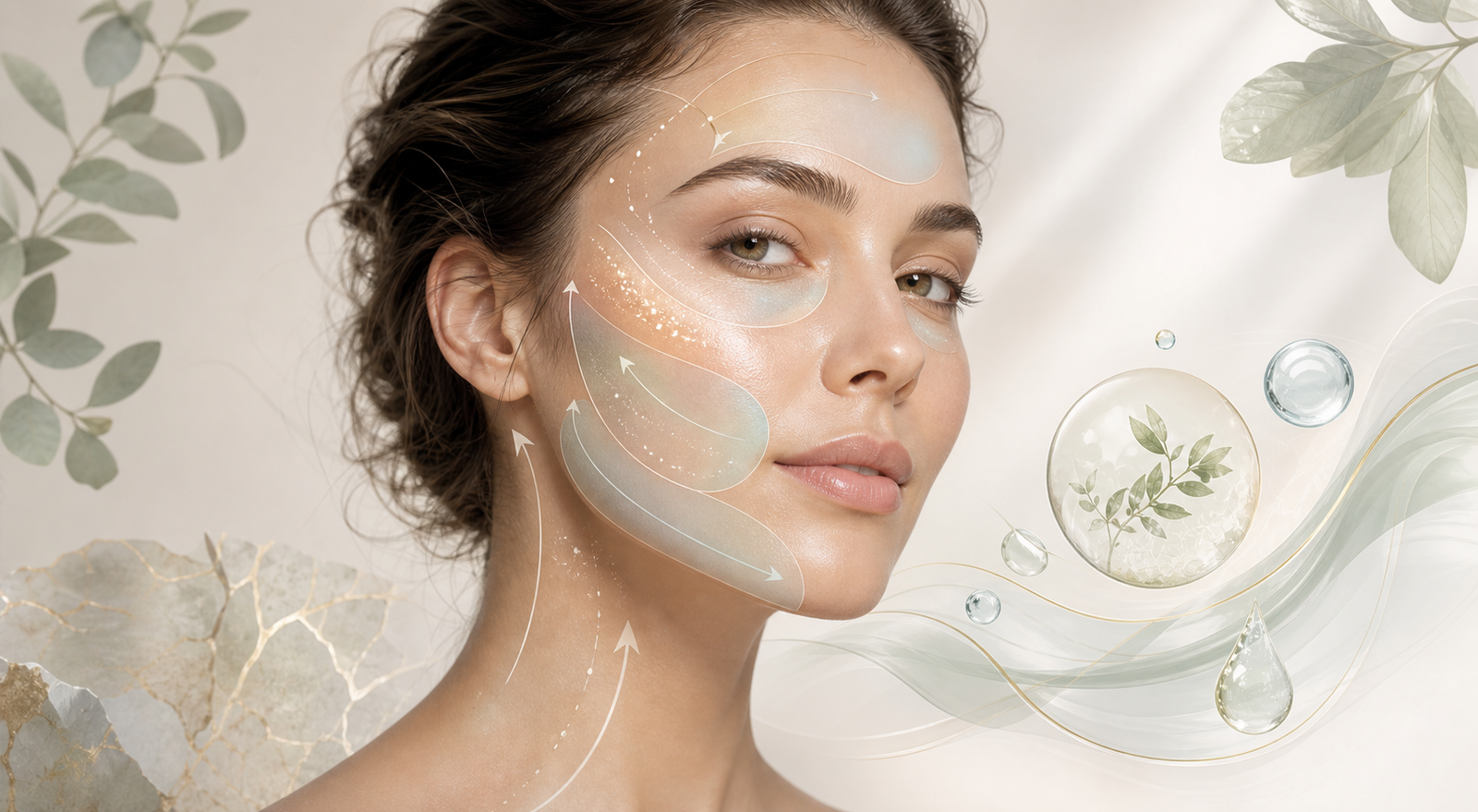
Tired skin is one of those phrases almost everyone understands immediately and almost no one defines accurately. The mirror says the face looks flat, puffy, drawn, rough, or older than it did a few days ago. Makeup sits badly. Light does not bounce back the same way. The skin seems to have lost its pace. That is why people start searching for a facial for tired skin: they want a treatment that makes the face look awake again without triggering a week of sensitivity afterwards.
The expensive mistake is to interpret every sign of fatigue as a cue for stronger action. The face gets scrubbed, over-exfoliated, heavily massaged, or pushed through extractions that it never needed. In reality, tired skin often looks tired because it has been living through a stack of ordinary stressors: poor sleep, travel, humidity shifts, dry cabin air, office air conditioning, dehydration, a crowded routine, too much friction, or too little recovery time. None of that automatically calls for a harsh reset.
A premium facial earns its value by reading that distinction properly. The goal is not to make the skin perform drama. The goal is to remove some of the visual noise that makes fatigue look louder than it is. That usually means better hydration, smoother texture, less obvious puffiness, and a finish that still feels comfortable in the hours after treatment. Readers comparing options across treatment styles may also want the broader diagnostic framing in Best Facial for Your Skin, because the best facial for tired skin depends on what the face is actually doing today, not what a trend promised last week.
What tired skin usually means in practice
Tired skin is not a diagnosis. It is a visual shorthand. Sometimes it means dullness from surface buildup. Sometimes it means puffiness from fluid retention, travel, or a salty late night. Sometimes it means a compromised barrier that has become rough, tight, and low on reflectivity. Sometimes it is a combination of shine and fatigue, where the skin is oily at the surface but still looks exhausted overall. That is why good therapists do not treat “tired” as one uniform skin type.
A facial for tired skin should begin by asking better questions. Does the face feel tight after cleansing? Is puffiness strongest around the eyes and jawline in the morning? Has the skin been overusing acids, retinoids, or strong masks? Is there a big event in forty-eight hours, which changes how much risk the skin should take? If the answers point to dehydration, barrier strain, and overstimulation, then a glow-focused treatment has to get quieter, not louder. That logic closely matches Skin Science: Why Less Is More, where the face usually rewards clarity and restraint more than product pile-on.
The useful part of the tired-skin label is that it directs attention toward recovery. The misleading part is that people often expect one session to create a permanent rested face. That is not credible. A good facial may improve texture, de-puff the contours slightly, make the skin look more even in light, and help makeup sit better. It does not replace sleep, daily sunscreen, simple hydration, or medical care when irritation, persistent redness, or deep inflammatory breakouts are the real problem.
What a good facial for tired skin should actually do
A credible tired-skin facial usually works through four priorities. First, cleanse without stripping. The face should feel fresh, not squeaky. Second, smooth the surface enough that light reflects more cleanly. That may involve gentle exfoliation, but only to the point where roughness softens rather than the barrier getting challenged. Third, reduce visual heaviness through calm massage, light lymphatic-style movement, or measured cooling steps. Fourth, leave the skin more comfortable than it arrived so the benefit survives the rest of the day.
This is why premium results often look subtle in the best way. The face appears more polished, the eye area less swollen, the cheeks less dull, and the general expression less burdened. The therapist should be aiming for rested-looking glow, not a post-facial performance where the skin looks red, shiny, and overworked for several hours before it finally settles down. When the article’s keyword is facial for tired skin, the real benchmark is not intensity. It is whether the skin looks better in normal daylight afterward.
Different treatment families can all work when adapted intelligently. A hydrating facial may suit skin that feels tight and flat. A massage-led session may help when puffiness and tension are the loudest signs. A hydrafacial-style approach can help some clients when surface buildup is making the face look congested and tired, but even there the goal is balance rather than extraction theater. Readers who want that distinction mapped more directly can also compare Hydrafacial for Oily Skin and Facial Lymphatic Drainage for Glow Skin, because tired skin often sits somewhere between those two needs: clearer texture and gentler drainage.
Tired-skin framework
Facial for Tired Skin Checklist
When the face looks flat, puffy, and overworked, the best facial decisions are usually quieter than the marketing.
Rehydrate first
If the skin feels tight, rough, or papery, comfort and slip usually matter more than a stronger machine step.
Reduce heaviness gently
De-puffing works best with light pressure, limited passes, and enough patience to avoid redness.
Refine only what needs refining
One controlled exfoliating phase can help tired skin. Trying to do everything at once usually backfires.
Leave the barrier calm
The result should still look elegant under daylight and evening makeup, not just dramatic in the treatment room mirror.
| What you notice | Best move now | Watch point | When to restart stronger steps |
|---|---|---|---|
| Face looks dull and tight | Choose hydration-led treatment with minimal exfoliation | Do not chase instant polish with harsh acids | After the skin feels comfortable for several days |
| Morning puffiness after travel | Use gentle lymphatic-style drainage and cooling | Avoid deep, forceful massage | When the face no longer feels heavy or reactive |
| T-zone is shiny but skin still looks tired | Use selective decongestion plus light hydration | Do not strip the whole face equally hard | After oil and comfort both look more balanced |
| Event in 24 to 48 hours | Pick a conservative glow-focused facial | Avoid experimenting with strong resurfacing | After the event window has passed |
Choosing between hydration, lymphatic drainage, and gentle exfoliation
If the face looks papery, tight, or matte in an unhealthy way, hydration should lead the treatment. The skin may need humectants, comfortable finishing layers, and a slower pace more than it needs extra stimulation. A therapist who understands tired skin should be able to tell when the dullness is mostly a surface dehydration story. That is also why the simplest home-care guidance from the American Academy of Dermatology and DermNet remains relevant: gentle cleansing, moisturising, and consistent sunscreen are still the foundation under every premium facial.
If the face looks puffy, especially after travel, a few poor nights, or a humid week, then light lymphatic-style work may matter more. That does not mean turning the treatment into a pseudo-medical event. It means using pressure that stays soft, directional, and brief enough to help the face look less heavy without provoking redness. Cleveland Clinic guidance on self-massage is useful here because it frames facial lymphatic drainage as light, strategic movement rather than force. That same restraint is what separates a luxury de-puffing step from an irritating massage routine.
If the biggest issue is that the skin feels stale or rough, a mild exfoliating step can help the surface recover reflectivity. But tired skin usually does not benefit from treating exfoliation like a punishment. One controlled pass can be enough. The strongest facials are often the ones that know when to stop. If the skin is entering an event week, especially in a climate that already tires the barrier, the best facial is often the one that improves texture while leaving the face socially ready the same day.
Case study: Bangkok travel skin before an evening event
Imagine a client in Bangkok after a flight, several air-conditioned meetings, sunscreen reapplication, city humidity, and one night of poor sleep. The face is not severely inflamed, but it looks puffy through the lower cheeks, slightly rough around the nose, flat at the forehead, and a little dehydrated around the mouth. This is exactly the sort of situation where people ask for a facial for tired skin rather than for oily skin, acne, or mature skin specifically. The complaint is visual fatigue.
The right treatment in that window is usually diagnosis-led and conservative. A therapist may choose a smoother cleanse, a very controlled exfoliating step, limited de-puffing massage, hydration that feels light rather than greasy, and a finish that sits well under makeup or simply looks polished on its own. This is also one of the few places where a partner reference such as best facial bangkok is editorially justified. The article is talking about premium facial judgement in Bangkok, not inserting a city keyword for decoration. Readers with the same climate-and-recovery question may also want Facial Bangkok Skin Climate Routine.
The success metric is modest but meaningful. The face should look more awake by the time the client leaves, with less visual puffiness and a smoother tone, while still feeling stable for the evening ahead. Bangkok already puts enough load on the skin through heat, movement, and indoor cooling. A facial that adds unnecessary aggression in that context is not premium. It is just poorly timed.
How skin type changes the tired-skin plan
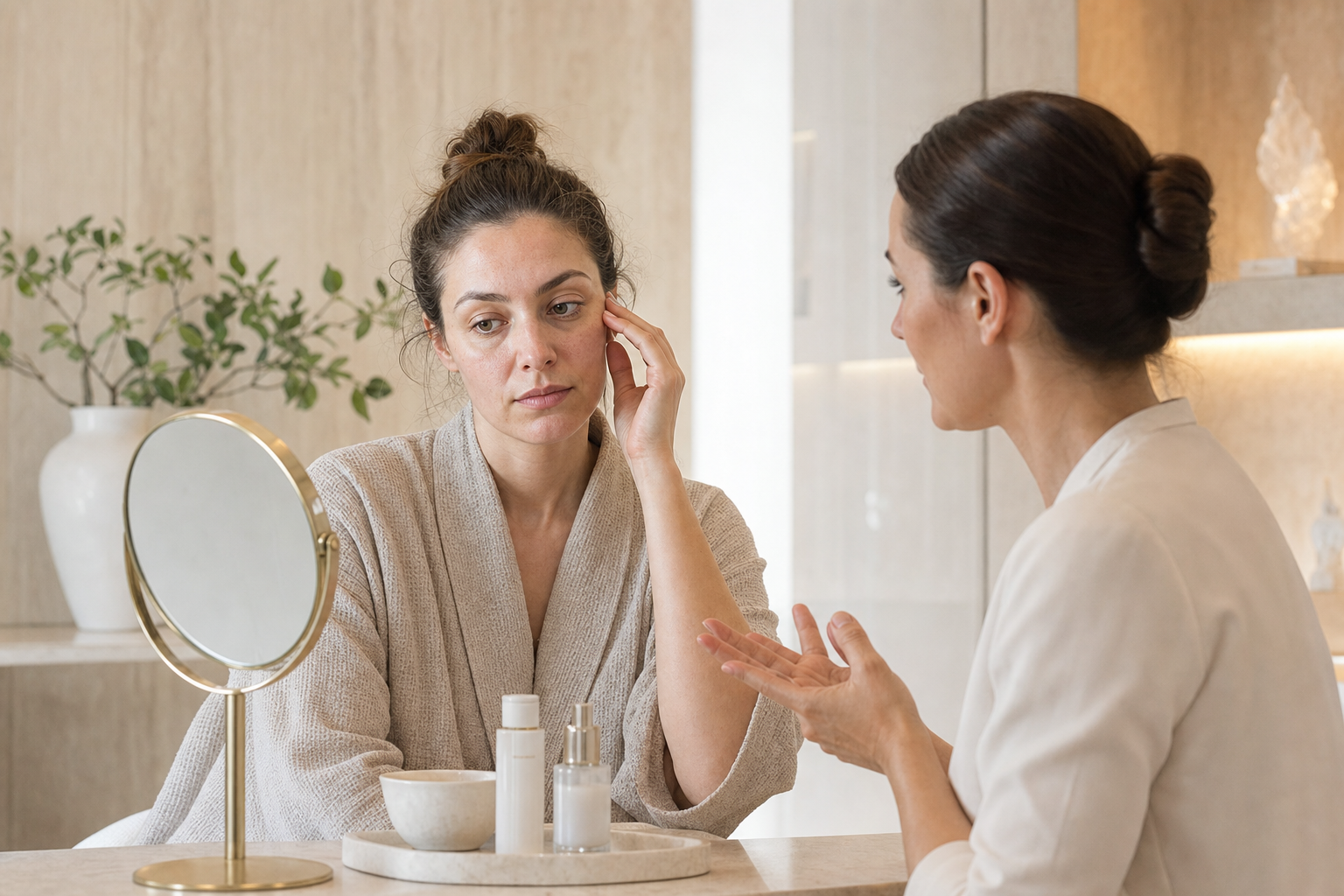
Sensitive tired skin needs the gentlest interpretation of the whole idea. If the face flushes easily, stings after cleansing, or feels reactive after every new product, the treatment should downshift quickly. That usually means less exfoliation, less insistence on massage, and more emphasis on comfort. The same barrier-first logic appears in Skin Barrier Repair Routine, where the real luxury is not visible treatment drama but a face that stays calm the next morning.
Oily tired skin asks for a different balance. It may still need a cleaner surface and lighter textures, but it cannot be stripped into temporary matte submission. The face can be shiny and tired at the same time. In that case, the therapist may use more decongestion around the T-zone while keeping hydration and comfort in the plan. This is where many clients misread their own skin: they see shine and assume the answer is stronger cleansing, even though the more useful move is often smarter texture control plus selective work where buildup is obvious.
Mature tired skin often benefits from slower massage, more slip, more pressure awareness, and fewer sudden treatment swings. The skin may not want strong resurfacing right before an event even when it looks fatigued. It may respond better to lift-supportive touch, hydration, and a smoother finish. In other words, tired skin is not a separate universe from the rest of skincare. It is a temporary state that sits on top of your existing skin behaviour, which is why the plan should change according to age, sensitivity, oil pattern, and schedule.
What to do between appointments if your skin keeps looking tired
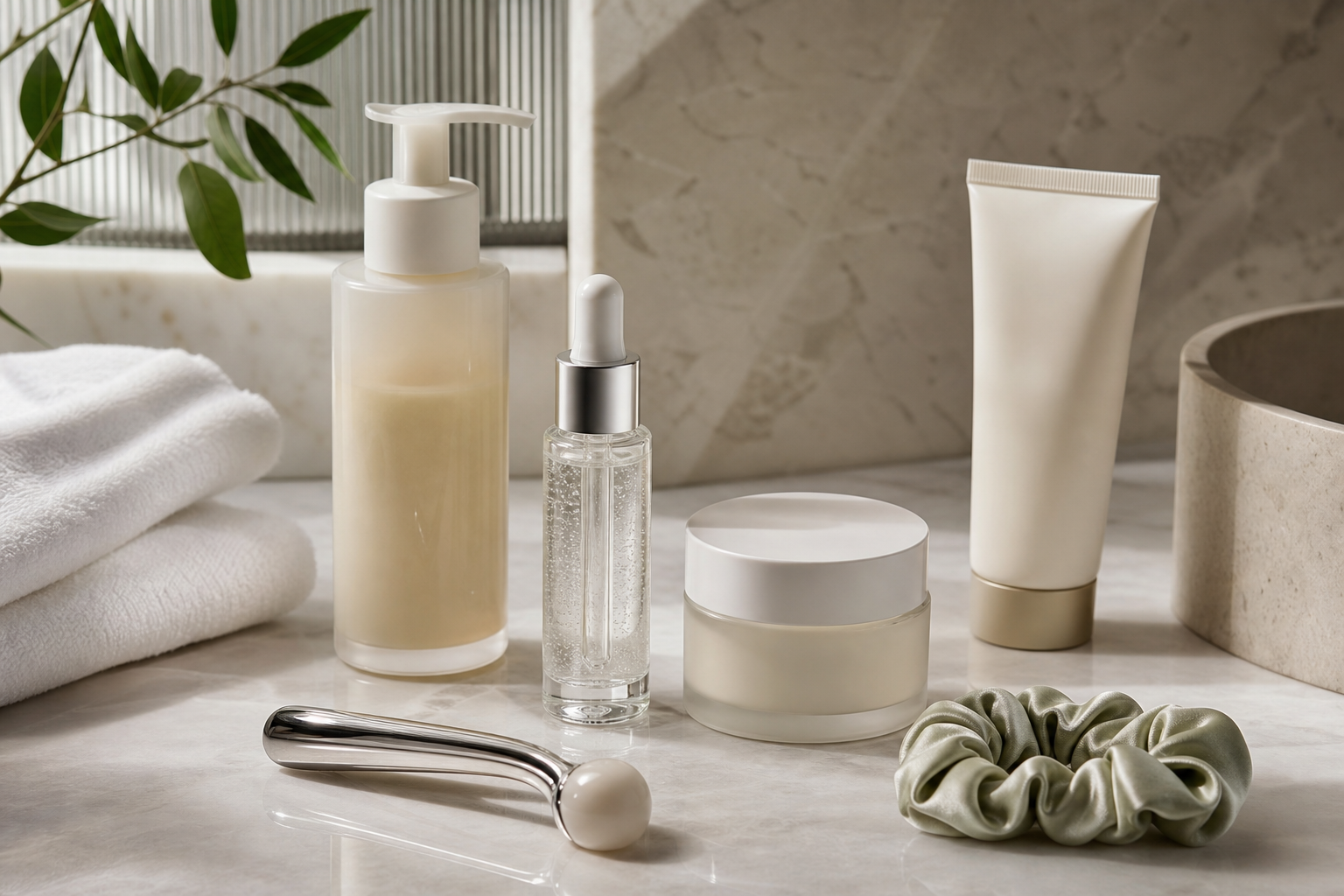
The most effective between-facials strategy is usually less glamorous than people expect. Cleanse gently enough that the skin feels clean but not raw. AAD face-washing guidance matters because over-cleansing often steals the comfort that a facial is trying to restore later. If the face is already looking fatigued, extra friction from brushes, rough towels, repeated cleansing, or aggressive acids usually makes that fatigue more obvious, not less.
Moisturiser is not only for obviously dry skin. DermNet’s guidance on dry skin and emollients is useful because even mildly tired-looking skin often benefits from a formula that reduces water loss and smooths the surface enough for light to reflect better. The texture should suit the person: lighter if the skin is combination or oily, richer if it is dry or travel-stressed. The point is not heaviness. The point is consistent comfort. This is also why readers often find value in Best Facial Bangkok Glow Skincare Guide, where glow is treated as a result of the right level of support rather than the strongest procedure.
Sunscreen matters every single day, especially when the face already looks dull or older than it should. A tired-looking face that is also getting inconsistent UV protection is working uphill. A good facial can help the skin look fresher for a few days, but daily SPF is what stops that freshness from being undermined immediately. A quiet tired-skin routine should usually look like this: gentle cleanse, hydrating layer, suitable moisturiser, daily sunscreen, and a much lower appetite for novelty.
The mistakes that keep tired skin looking tired
The first mistake is chasing instant transformation with too many strong steps in one sitting. Tired skin may look dull, but that does not mean it wants a peel, extractions, heavy massage, and a stack of active serums all at once. The second mistake is using treatment pain as proof of seriousness. A premium facial should feel intelligent, not punitive.
The third mistake is confusing puffiness with product failure. Sometimes the face simply needs less salt, better sleep, more water, less alcohol, or a calmer morning routine. A facial may improve the look of puffiness, but it cannot outwork every habit every week. The fourth mistake is treating home care like an afterthought. If the client leaves the treatment room and then scrubs, re-acids, or skips moisturiser because they want the skin to stay “clean,” they often flatten the result almost immediately.
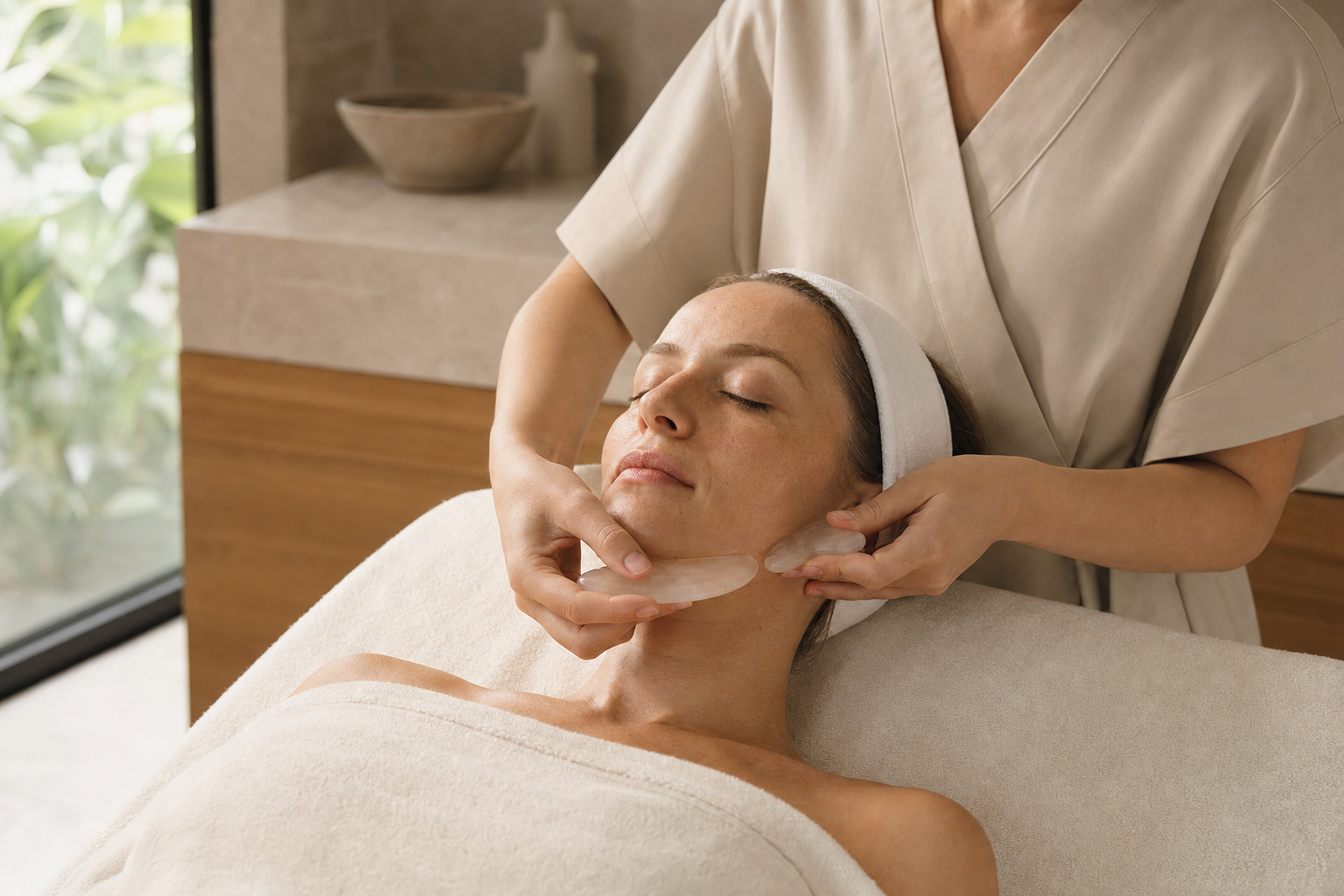
The fifth mistake is provider selection by machine name or trend name alone. A gua sha facial, hydrating facial, or de-puffing facial is only as good as the person adjusting it. Technique without judgement turns premium services into expensive rituals that sometimes work by accident. The tired-skin client does better with a therapist who knows when to reduce, not just when to add.
When to slow down, skip the facial, or ask a dermatologist
A facial for tired skin is cosmetic and wellness-oriented. It is not a substitute for medical care when the skin is painful, suddenly swollen, one-sided, infected, severely reactive, or persistently breaking out in a way that a facial cannot responsibly manage. If the face looks “tired” because it is actually inflamed, sunburned, allergic, or post-procedure fragile, this is not the time to improvise with extra treatment.
The same caution applies when the skin has been pushed too hard already. A week of strong acids, retinoids, rough cleansing, or back-to-back treatments can leave the barrier looking lifeless even before a facial begins. In those moments, the smartest premium decision may be to do less, moisturise more, and return for a stronger treatment later when the face is less defensive. A therapist who can say that plainly is usually more trustworthy than one who sells intensity by default.
Tired skin deserves honesty because honesty is what keeps the results elegant. If the face simply needs recovery, then the right facial may help it look fresher, smoother, and more awake. If the face is signalling disease, injury, or a true inflammatory condition, then the better answer is qualified medical advice. Luxury should never require pretending those two situations are the same.
Conclusion: the best rested-skin result is the one that still feels calm tomorrow
A facial for tired skin can be genuinely worthwhile because it answers a real, modern problem: faces that are not sick, but do look overloaded by work, climate, travel, poor sleep, and too much routine noise. The strongest treatments for this concern are usually the least theatrical. They cleanse properly, restore slip, soften visual puffiness, refine texture, and stop before the barrier pays the price.
For SKINEGA, the luxury standard is simple. The client should leave looking more awake and still feeling comfortable. If the treatment respects timing, skin type, and the difference between recovery and aggression, tired skin can look fresher in a way that feels believable rather than over-sold.
FAQ: facial for tired skin
What is the best facial for tired skin?
The best facial for tired skin is usually the one that matches the reason the skin looks tired in the first place. If the face is mainly dull and dehydrated, a hydration-led facial may help most. If it looks puffy and heavy after travel or poor sleep, light lymphatic-style drainage and cooling steps may be more useful. If surface buildup is making the skin look stale, a gentle exfoliating step can help refine texture. The important part is that the treatment stays measured. A premium tired-skin facial should improve comfort and reflectivity without leaving the barrier raw, red, or over-stimulated.
Can a facial help tired skin before an event?
Yes, a well-timed facial can help tired skin look fresher before an event, but the timing and intensity matter. The most useful event-week facial is usually conservative: proper cleansing, modest resurfacing if the skin tolerates it, controlled de-puffing, and a finish that sits well under makeup or looks polished with no makeup at all. Strong peels, over-extraction, or aggressive massage too close to the event can create more risk than benefit. If the event is within a day or two, calmer usually looks more expensive.
Is a hydrafacial or facial massage better for tired skin?
It depends on what “tired” means on that particular face. A hydrafacial-style treatment may help when the face looks flat because of buildup, roughness, or congestion. Facial massage or lymphatic-style drainage may be more useful when puffiness, tension, and a heavy look are the main complaint. Some clients benefit from a treatment that borrows lightly from both approaches. The better question is not which label sounds stronger, but which method solves the loudest problem while keeping the skin comfortable afterward.
How often should I get a facial for tired skin?
That depends on how often the skin is being stressed, how resilient it is, and how disciplined the home routine already is. Many people do well with occasional maintenance rather than frequent intensive appointments. If the face is repeatedly looking tired because of travel, humidity shifts, poor sleep, or an overloaded routine, a facial may help reset the surface from time to time, but the long-term answer still lives at home: gentle cleansing, sensible moisturising, daily sunscreen, and fewer irritating experiments. The stronger the treatment, the more spacing usually makes sense.
What should I do after a facial for tired skin?
Keep the routine simple. Cleanse gently, use a comfortable moisturiser, and wear sunscreen every day. Avoid piling on scrubs, stronger acids, or extra active products immediately unless the provider specifically advised otherwise and your skin tolerates them well. Tired skin usually keeps its post-facial glow longer when you protect the barrier, get proper rest, hydrate well, and resist the urge to “improve” the result with more stimulation. If the face becomes unusually red, painful, or reactive, step back and seek professional guidance rather than pushing through it.